This post may contain affiliate links, which means I may receive a small commission should you decide to click that link and make a purchase. For more information please refer to the Terms & Conditions.
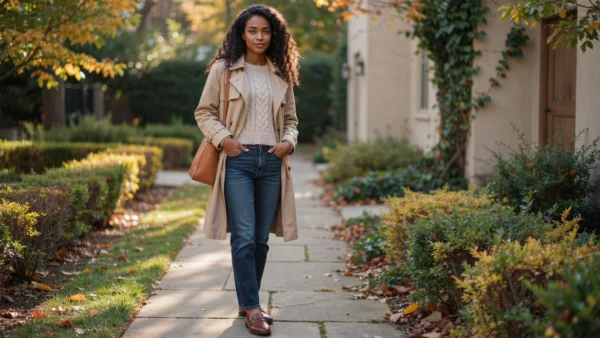
I used to look like a stuffed marshmallow the second October rolled around. I loved the idea of crisp autumn mornings, but my reality was just piling thick sweaters over thick shirts and hoping for the best. I could barely bend my arms to hold my coffee, and I definitely did not feel stylish.
It took me years of trial and error to realize that putting together the perfect fall outfits for women actually comes down to a very simple formula. You do not need a closet bursting with heavy, oversized clothes to stay warm. You just need to master the art of strategic, lightweight layering.
Once I figured out how to build an outfit from the skin outward, getting dressed became a joy instead of a daily wrestling match. You can easily achieve that effortless, cozy look without sacrificing your shape or your comfort. Here is exactly how you can build the perfect layered look from start to finish.
1. Your Essential Fall Layering Wardrobe
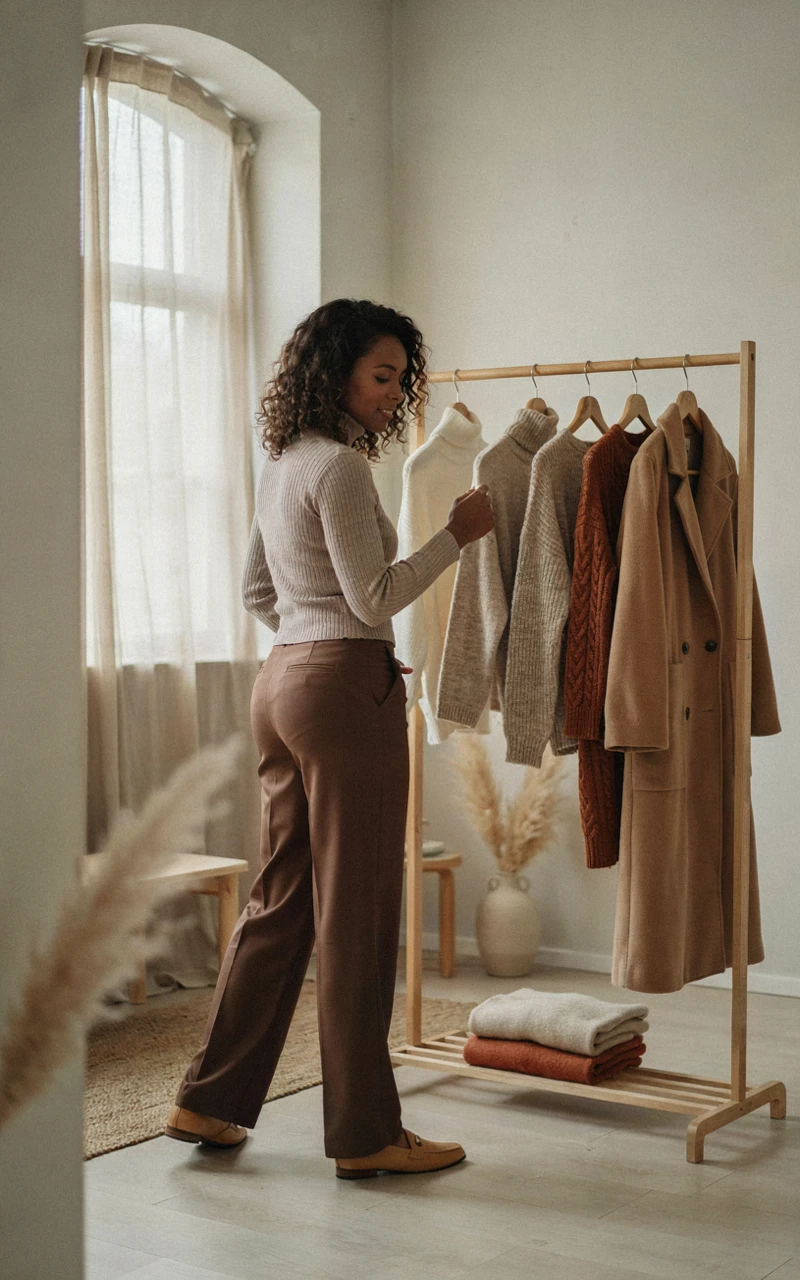
Before you can build a great layered look, you need the right building blocks in your closet. Think of this as gathering your tools and materials before you start a home project. If you are missing a key piece, the whole structure becomes much harder to put together.
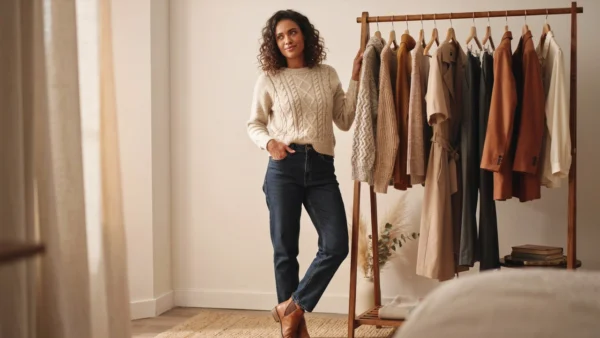
You do not need to buy an entirely new wardrobe to make this work. You likely already have many of these items, but organizing them by their layering purpose will change how you view your closet. Here is the exact list of clothing tools you need to execute this layering method perfectly.

- Fitted Turtlenecks or Mock Necks: You need two or three of these in neutral colors like black, cream, or taupe. They must be thin, stretchy, and fit snugly against your skin.
- Seamless Bodysuits: A long-sleeve bodysuit is a secret weapon for layering because it never untucks or bunches at the waist.
- Chunky Knit Cardigans: Look for one or two cardigans with a V-neck shape when buttoned. The texture should be noticeably different from your smooth base layers.
- Oversized Button-Down Shirts: A crisp white cotton shirt or a soft chambray shirt works beautifully as a versatile middle layer.
- A Tailored Wool Coat or Trench: This is your structured outer shell. It should have sharp shoulder seams and fall at least to your mid-thigh.
- High-Waisted Trousers or Jeans: Your bottoms need a high enough rise to securely hold your tucked-in base layers without shifting when you walk.
The fabric you choose matters as much as the fit. When you wear three layers of clothing, breathable materials are the only thing keeping you from overheating the moment you step indoors. Always check your clothing tags before you buy.
| Layer Type | Best Fabrics to Use | Fabrics to Avoid |
|---|---|---|
| Base Layer | Merino wool, modal, cotton blends, silk | Heavy polyester, thick fleece, stiff linen |
| Mid-Layer | Cashmere, alpaca, heavy cotton, denim | Thin synthetics, anything itchy or rigid |
| Outer Layer | Wool blends, gabardine, genuine leather | Unlined fast-fashion coats, flimsy knits |
If you find yourself missing a few of these essentials, consider building a fall capsule wardrobe to fill in the gaps. Having a dedicated set of mix-and-match pieces makes this entire process foolproof. Once your tools are gathered, you are ready to start getting dressed.
2. Step 1: Start With a Smooth, Fitted Base Layer
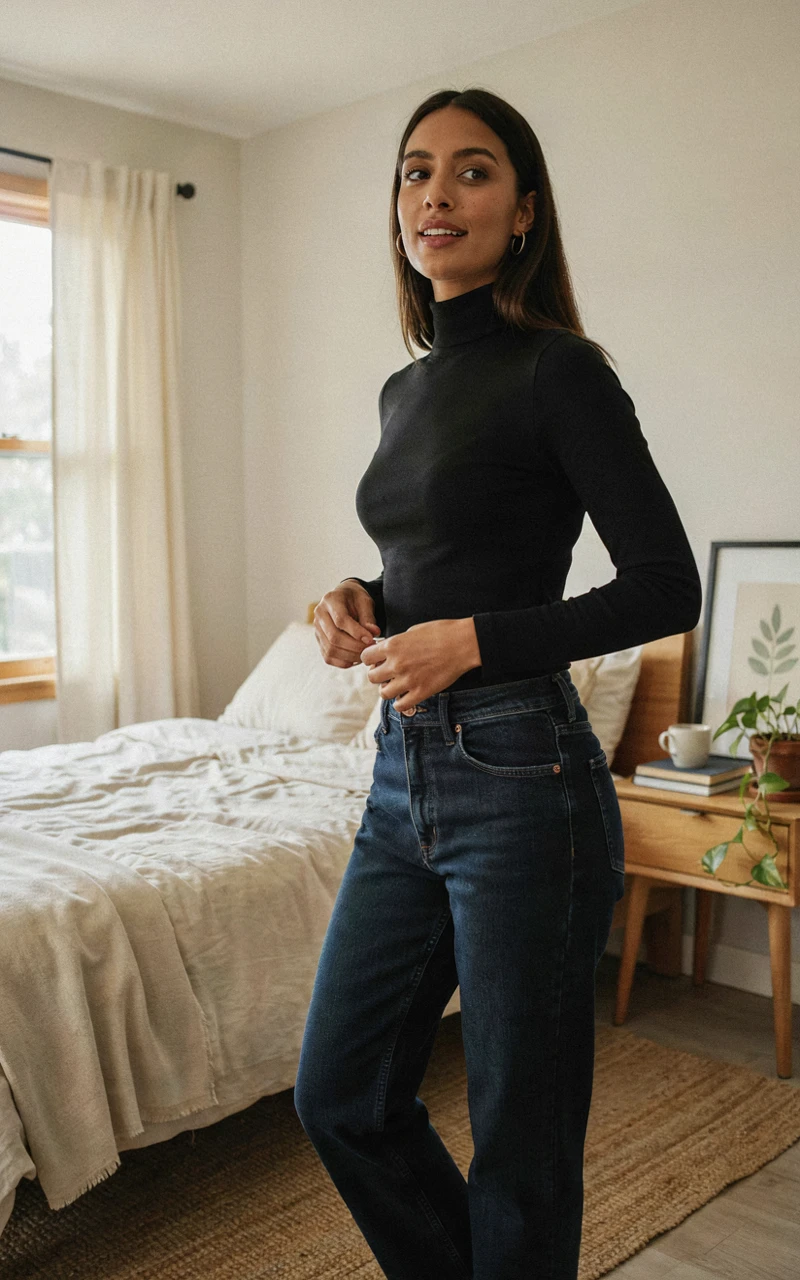
The biggest mistake you can make with layering is starting with a loose or bulky foundation. If your first shirt has extra fabric fluttering around your ribs, every single layer you put on top of it will look lumpy. Your first step is to create a completely smooth canvas.
Put on your chosen base layer, whether that is a thin ribbed turtleneck or a long-sleeve bodysuit. If you are wearing a standard top, you must tuck it into your high-waisted pants completely. Do not leave the back untucked, and do not settle for a loose French tuck at this stage.
Pull the fabric taut down toward your hips so it lays flat against your stomach and lower back. Fasten your pants over the tucked shirt, ensuring the waistband sits smoothly. If your shirt has sleeves, pull them all the way down to your wrists so they do not bunch up around your elbows.
Next, evaluate your neckline. If you are wearing a crewneck, make sure the collar sits flat against your collarbone. If you chose a turtleneck, fold the neck down neatly so it creates a clean, intentional line right below your chin.
Pay attention to the color of this base layer. If you want a subtle, elongated look, match your base layer to the color of your pants. If you want the layers to pop, choose a stark contrasting color, like a crisp white turtleneck tucked into dark vintage denim.
Before you move to step two, check your progress in the mirror. Your outfit should currently look like a sleek, minimalist silhouette that feels like a second skin. You should see zero bunching at the waistline, smooth arms, and a clean neckline that is ready to frame your next piece.
3. Step 2: Add Texture With a Cozy Mid-Layer
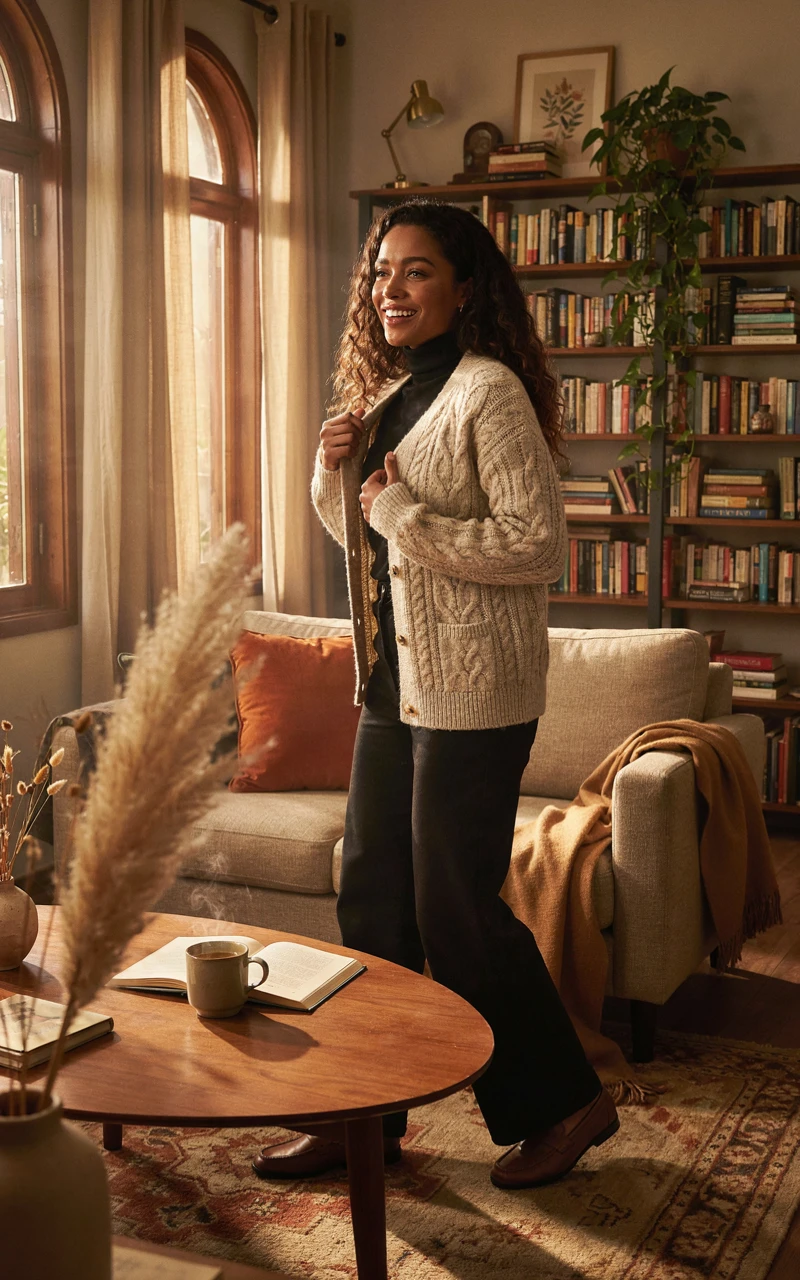
Now that you have a smooth foundation, it is time to add your primary source of warmth and visual interest. This step is where the magic of autumn fashion really happens. The goal here is to introduce a new texture that contrasts beautifully with your sleek base.
Select your mid-layer, such as a chunky knit cardigan, an oversized button-down, or a tailored sweater vest. Slip it on over your base layer, paying close attention to how the sleeves interact. You want to make sure the sleeves of your mid-layer are slightly wider than your base layer so your arms can still move freely.
If you are wearing a cardigan or a button-down shirt, leave the bottom two buttons completely unfastened. This simple styling trick allows the fabric to drape naturally over your hips instead of clinging tightly. It also creates a flattering inverted V-shape that shows off your waistline.
Next, adjust the sleeves to show off your layers. Push the sleeves of your mid-layer up slightly, just a few inches above your wrists. Then, pull the cuffs of your fitted base layer down so they peek out past the bulky sweater.
This visible cuffing technique proves to the eye that your outfit was thoughtfully styled, rather than just thrown on in a rush. Do the same thing at the neckline. If you are wearing a V-neck sweater over a turtleneck, smooth the collar of the sweater so the turtleneck is framed perfectly in the center.
You can also play with subtle pattern mixing during this step. A finely striped base layer looks incredibly chic peeking out from beneath a solid camel sweater. Just keep the color palette cohesive, sticking to warm earth tones or classic neutrals.
At the end of this step, you should feel comfortably warm but still able to cross your arms and twist your torso easily. The outfit should look intentional and complete enough that if you took off your coat at a restaurant, you would still look perfectly styled.
4. Step 3: Top It Off With Structured Outerwear
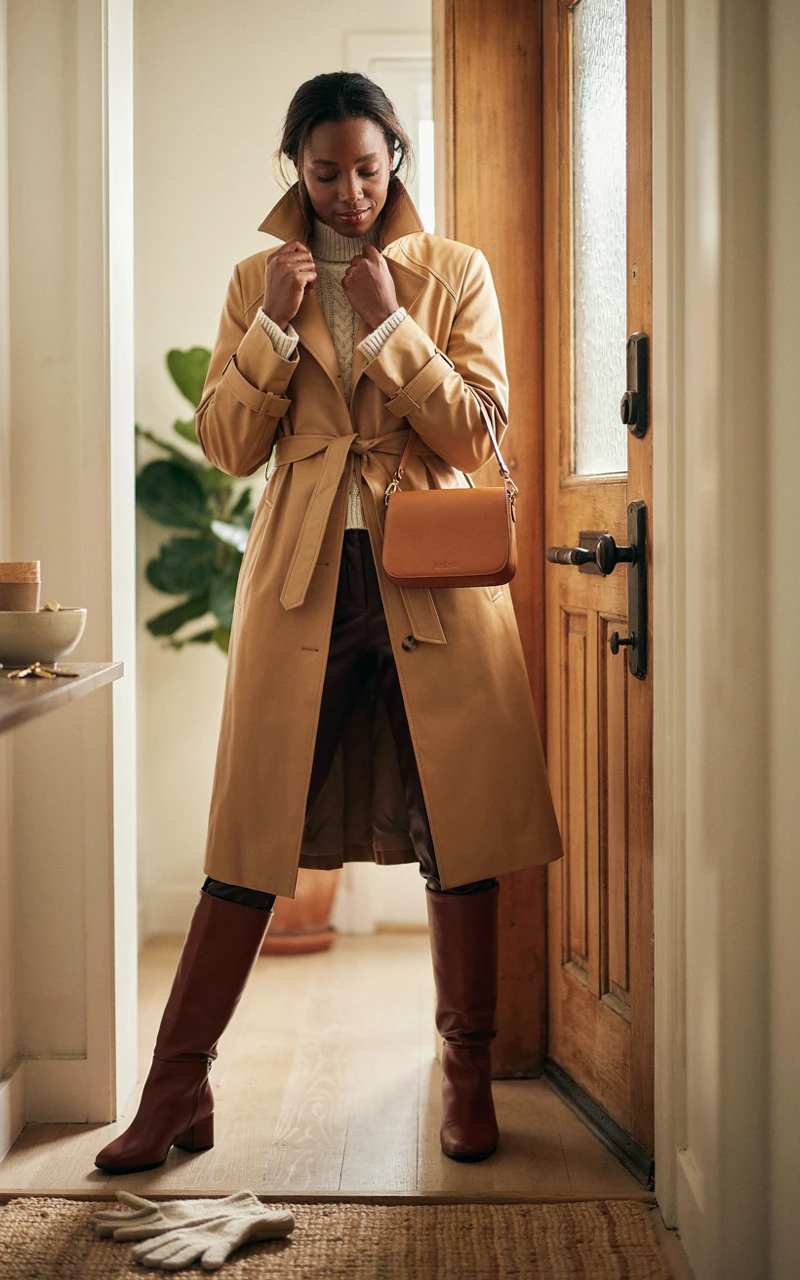
The third layer is your anchor piece. It pulls the entire look together and gives you that polished, street-style finish you see on fashion blogs. Because your mid-layer is likely soft and slouchy, your outer layer needs to provide crisp, clean lines.
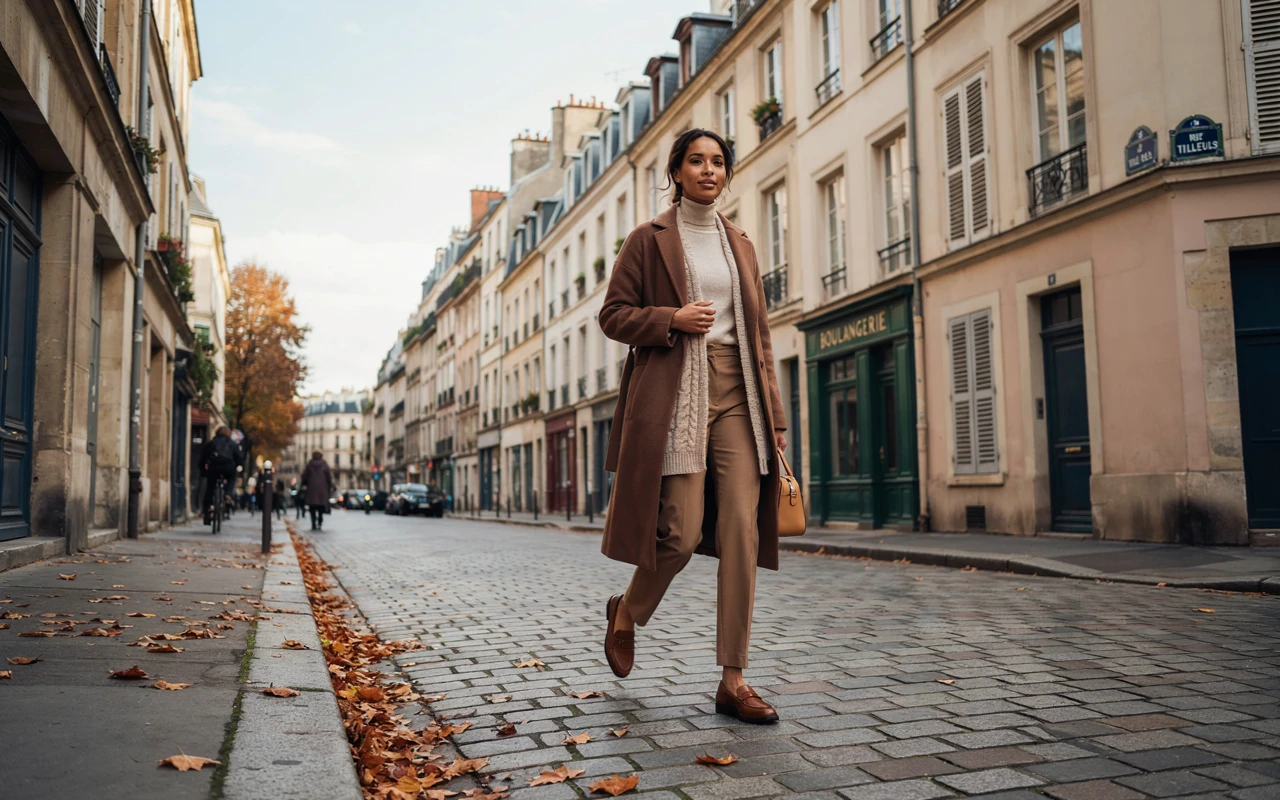
Choose a structured piece of outerwear, like a classic trench coat, a wool overcoat, or a slightly oversized blazer. Slide it on over your first two layers. Give your shoulders a quick roll to ensure the coat is roomy enough to accommodate the sweater underneath without pulling at the back seams.
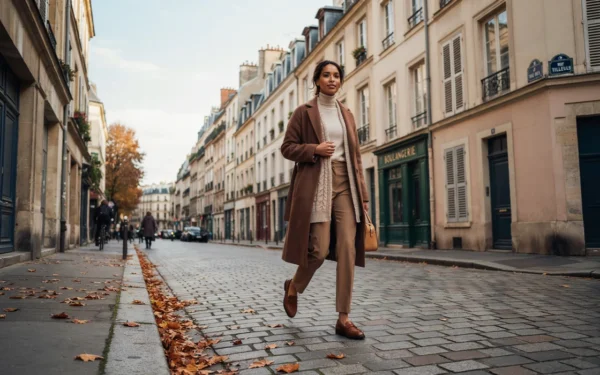
Length proportions are absolutely critical in this step. As a general rule, your outerwear should be significantly longer than your mid-layer. A long wool coat that hits below the knee creates a beautiful, sweeping line that elongates your entire body.
If you are wearing a trench coat, do not buckle the belt in the front like a dress. Instead, gather the belt behind your back and tie it in a neat knot. This cinches the waist of the coat to give you shape, while leaving the front open so your beautiful base and mid-layers remain visible.
If your coat has a collar, pop it up slightly in the back. This adds a touch of effortless attitude and frames your face nicely, especially if you have a turtleneck layered underneath. Make sure the lapels lay flat and do not fight with the neckline of your sweater.
Check your sleeve lengths one last time. Ideally, the sleeve of your coat should end right at your wrist bone. This allows just a tiny sliver of your mid-layer and base layer to show at the cuff, tying all three pieces together visually.
When you finish this step, your outfit instantly transforms from casual to chic. The crisp, tailored shoulders of your coat should frame the softer, cozier layers underneath. You should see a sharp, balanced profile in the mirror that feels both highly fashionable and incredibly practical for cold weather.
5. Step 4: Tie It Together With Accessories and Footwear
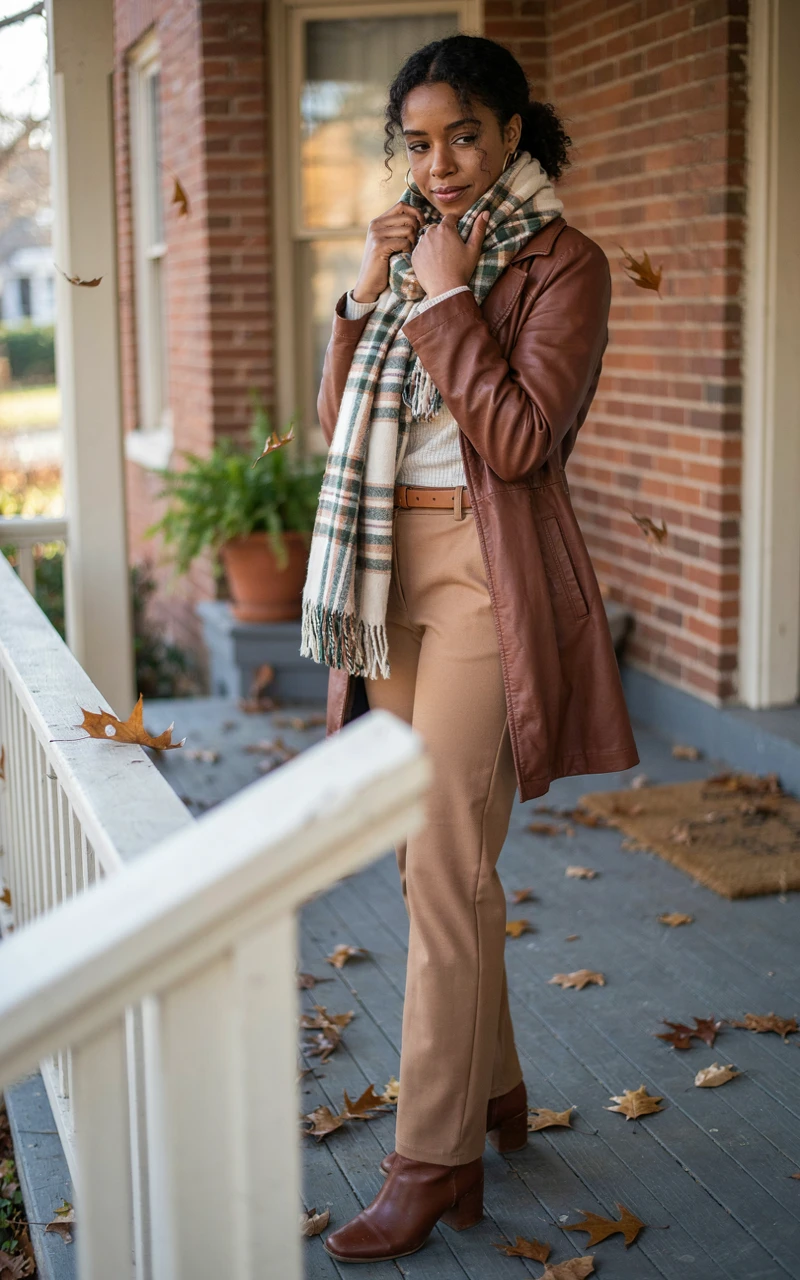
The final step is all about balancing the visual weight of your outfit. When you have three layers of clothing on your top half, your bottom half can easily look disproportionate. You need the right accessories and shoes to ground the look and make it feel cohesive.
Start with your footwear. To balance a heavy coat and a chunky sweater, opt for a substantial shoe. A sleek ankle boot with a block heel or a classic knee-high leather boot works perfectly. Avoid flimsy ballet flats or lightweight canvas sneakers, as they will make your outfit look top-heavy.
If you want your legs to look miles long, match the color of your boots to the color of your pants. Black boots with black denim create an unbroken vertical line that easily supports the bulkier layers on top.
Next, add a scarf if the weather calls for it. The trick to wearing a scarf with multiple layers is to avoid wrapping it tightly around your neck. Instead, drape it loosely over your shoulders, or use the loop-and-pull method so it hangs down vertically, adding another long line to your silhouette.
Consider your handbag carefully. A bulky tote bag tucked under your arm will crush your beautiful layers and make you feel restricted. Opt for a structured crossbody bag instead, and let the strap sit diagonally across your chest to break up the solid blocks of fabric.
Finally, add a touch of hardware. A leather belt with a gold or silver buckle peeking out from under your unbuttoned cardigan adds a necessary focal point. You can also layer a few simple gold necklaces over your turtleneck to bring a little light and shine up to your face.
At the end of this final step, you are completely ready to walk out the door. The boots balance the heavy layers on top, the accessories add a pop of personality, and the whole outfit feels secure. You have successfully built a look that is warm, comfortable, and effortlessly stylish.
I genuinely believe that learning how to layer properly changes the way you experience autumn. I no longer dread the chilly transition weather, and getting dressed on a frosty morning actually feels like a creative, exciting process.
By treating your clothes as building blocks and focusing on smooth foundations, contrasting textures, and structured coats, you can conquer any cold day with confidence. You deserve to feel warm and look incredible all season long.
I would love to hear how you put these steps into practice in your own closet. Leave a comment below with your favorite layering combination, and let me know which step made the biggest difference for your fall wardrobe!