This post may contain affiliate links, which means I may receive a small commission should you decide to click that link and make a purchase. For more information please refer to the Terms & Conditions.
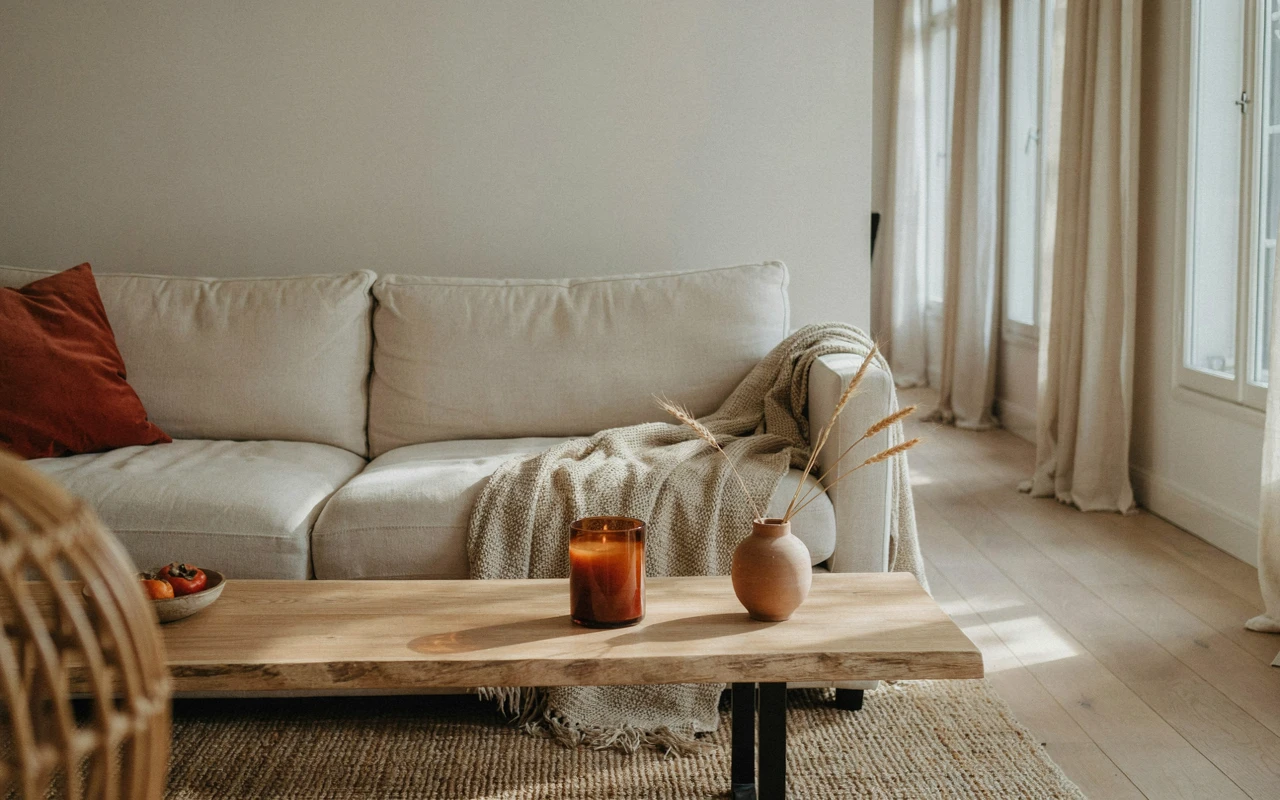
I used to think decorating for autumn meant bringing out giant plastic bins full of bright orange pumpkins, fake leaves, and fall signs. Every year, I would cover every available surface in my living room with seasonal decorations, only to feel completely overwhelmed by it all a week later. I eventually realized I wanted my home to feel warm and inviting, not like a crowded craft store.
Figuring out how to make your home feel cozy for fall without clutter completely changed the way I approach seasonal decorating. I found that a warm and cozy feeling can come from soft textures, good lighting, and a few natural touches instead of filling the room with decorations. By making a few simple changes, you can create a beautiful space that still feels open and comfortable.
This approach to Cozy Fall Home Decor lets you enjoy the beauty of autumn while keeping your home peaceful and organized. You do not need to buy a cart full of new decorations to make your home feel ready for fall. Instead, you can focus on a few simple changes that make your space feel warm, comfortable, and inviting.
Let’s look at some easy ways to bring that cozy fall feeling into your home without making it feel cluttered.
1. What You Need for Clutter-Free Fall Decorating
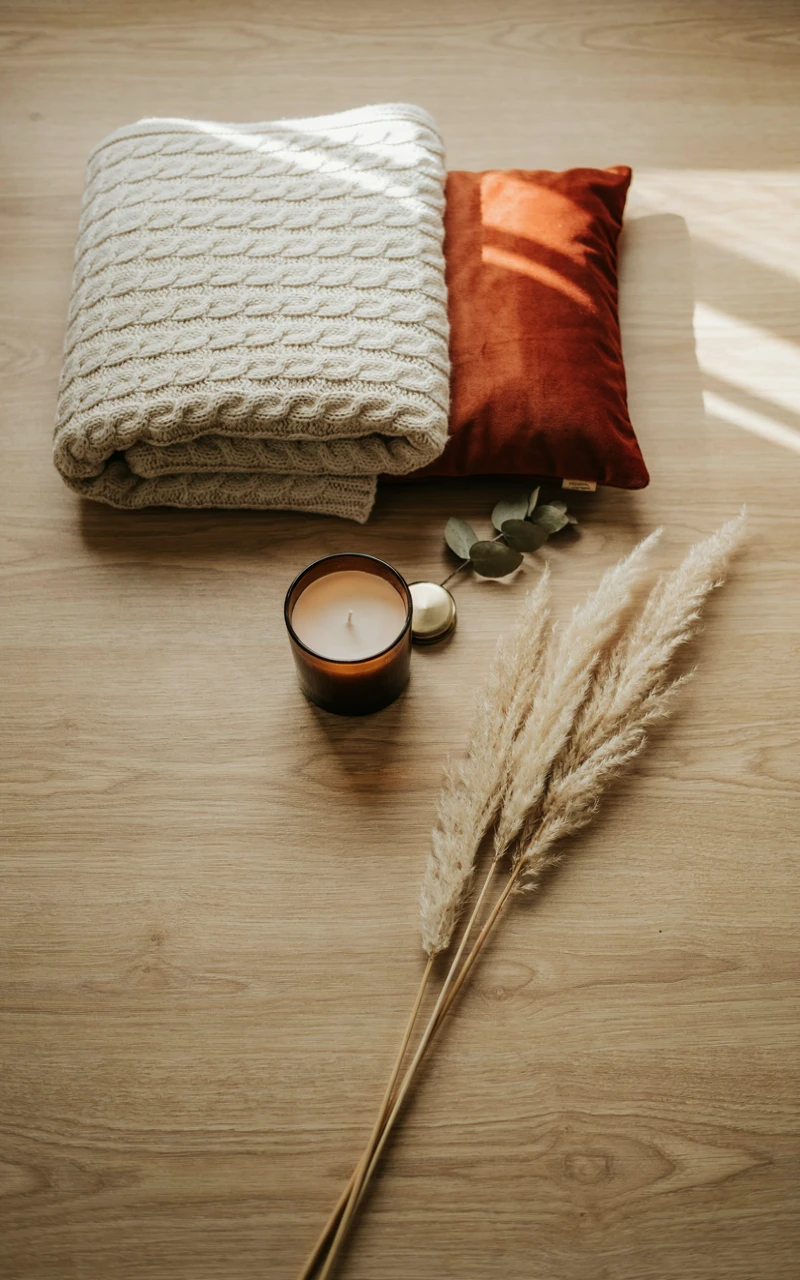
Before you start moving furniture or buying new items, you need to gather the right tools and materials. A minimalist approach requires fewer items, but those items need to be highly intentional and functional. The goal is to replace everyday items with seasonal alternatives, rather than just adding more things on top of what you already own.
Having your supplies ready will make the transition smooth and keep you from making impulse purchases later. You will need a mix of storage solutions for your off-season items and a few high-impact decorative elements. Here is the complete list of materials you will need for this project:

- Sturdy storage bins: Two or three opaque bins with tight-fitting lids for packing away bright summer decor, lightweight throw pillows, and coastal accents.
- Textured throw pillow covers: Three to four covers in rich fabrics like velvet, boucle, or heavy cotton canvas.
- A heavy throw blanket: One chunky knit, wool, or thick fleece blanket in a solid, warm neutral color.
- Warm light bulbs: Several LED bulbs rated at 2700K to replace any cool, blue-toned lights in your living spaces.
- Natural foraging tools: A sharp pair of garden shears and a pair of gloves for collecting outdoor branches.
- A statement vase: One large, heavy-bottomed vase made of ceramic, stoneware, or amber glass.
- Simmer pot ingredients: Cinnamon sticks, whole cloves, fresh oranges, and star anise for natural home fragrancing.
You might notice that there are no plastic pumpkins, fake cobwebs, or glittery signs on this list. Clutter-free decorating relies on items that serve a practical purpose while looking beautiful. A chunky blanket keeps you warm while adding visual interest, and a simmer pot makes the house smell amazing without taking up permanent space on a shelf.
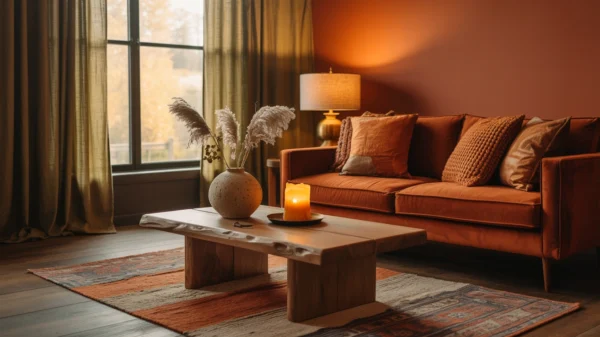
When you focus your budget and storage space on these functional items, you elevate the entire feel of your home. If you want to see how this looks in practice, you can find some great inspiration in these earthy fall living room ideas. By sticking to this curated list of materials, you guarantee that your home will feel thoughtfully designed rather than chaotic.
2. Stage 1: Declutter and Create a Blank Canvas
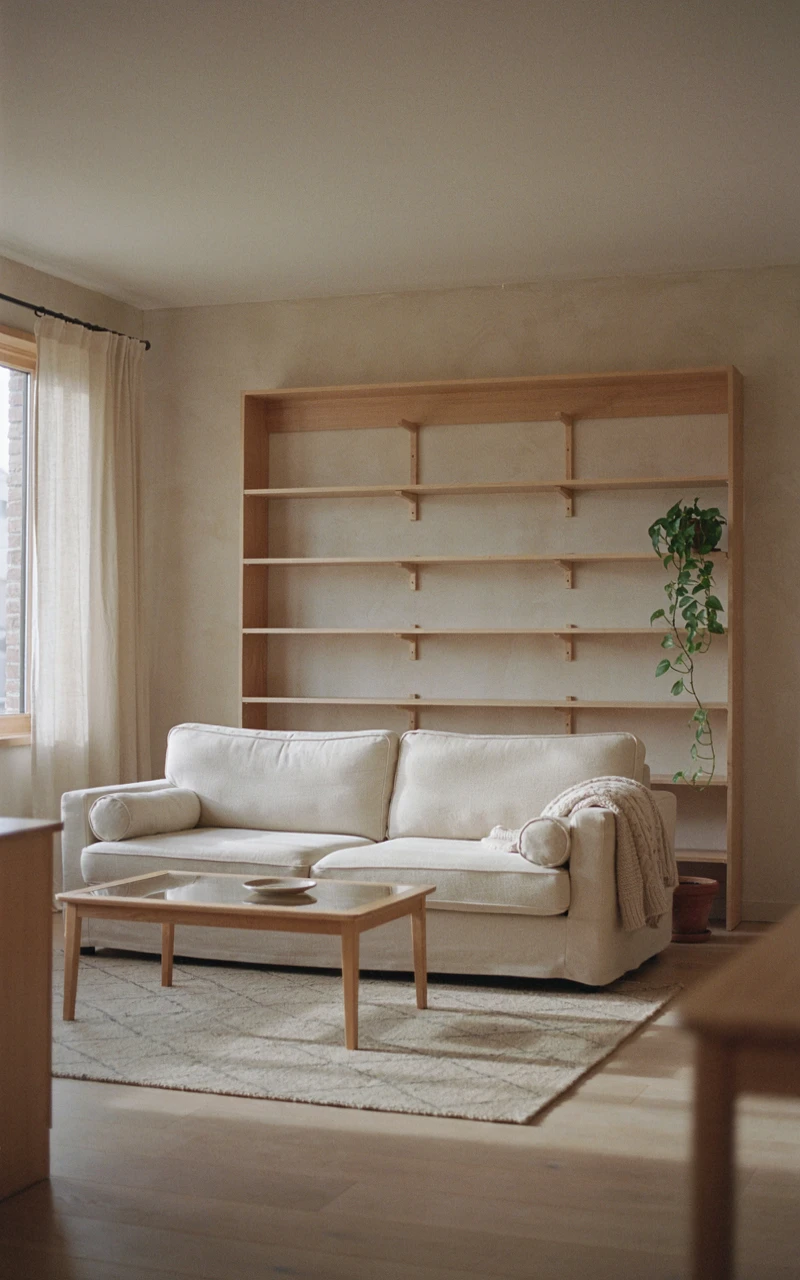
You cannot create a peaceful, cozy environment if your seasonal decor is fighting for attention with your everyday clutter. The very first stage of this process is stripping the room back to its bare bones. This gives your eyes a place to rest and helps you see the actual architecture and layout of your space.
According to research on visual clutter from the Harvard Business Review, a disorganized environment drains your cognitive resources and reduces your ability to focus. By clearing the room first, you are setting a calm foundation. Follow these exact steps to create your blank canvas:
- Remove all summer-specific items: Walk through the room and take away anything that screams summer, including bright floral pillows, seashell decor, and lightweight linen throws.
- Clear your flat surfaces completely: Take everything off your coffee table, mantel, bookshelves, and kitchen counters, placing the items in a temporary holding box.
- Deep clean the empty spaces: Wipe down all the bare surfaces with a damp microfiber cloth, vacuum the upholstery, and dust the baseboards.
- Pack away non-essentials: Place your summer decor into your storage bins, label them clearly, and put them away in a closet or garage.
- Return only the absolute essentials: Put back only the items you use daily, like your television remote, a favorite reading lamp, or essential coasters.
This process should take you about 1 to 2 hours, depending on the size of your room. It is crucial not to skip the deep cleaning step, as dust and grime will instantly detract from the cozy feeling you are trying to build. A clean room naturally feels more inviting and intentional.
What finished looks like before the next stage starts: Your room is entirely free of small decorative objects, your flat surfaces are bare and shining, and the space feels remarkably empty and breathable. You might even feel like the room echoes a little bit, which means you are perfectly ready to start layering.
3. Stage 2: Layer in Warm Textures and Fabrics
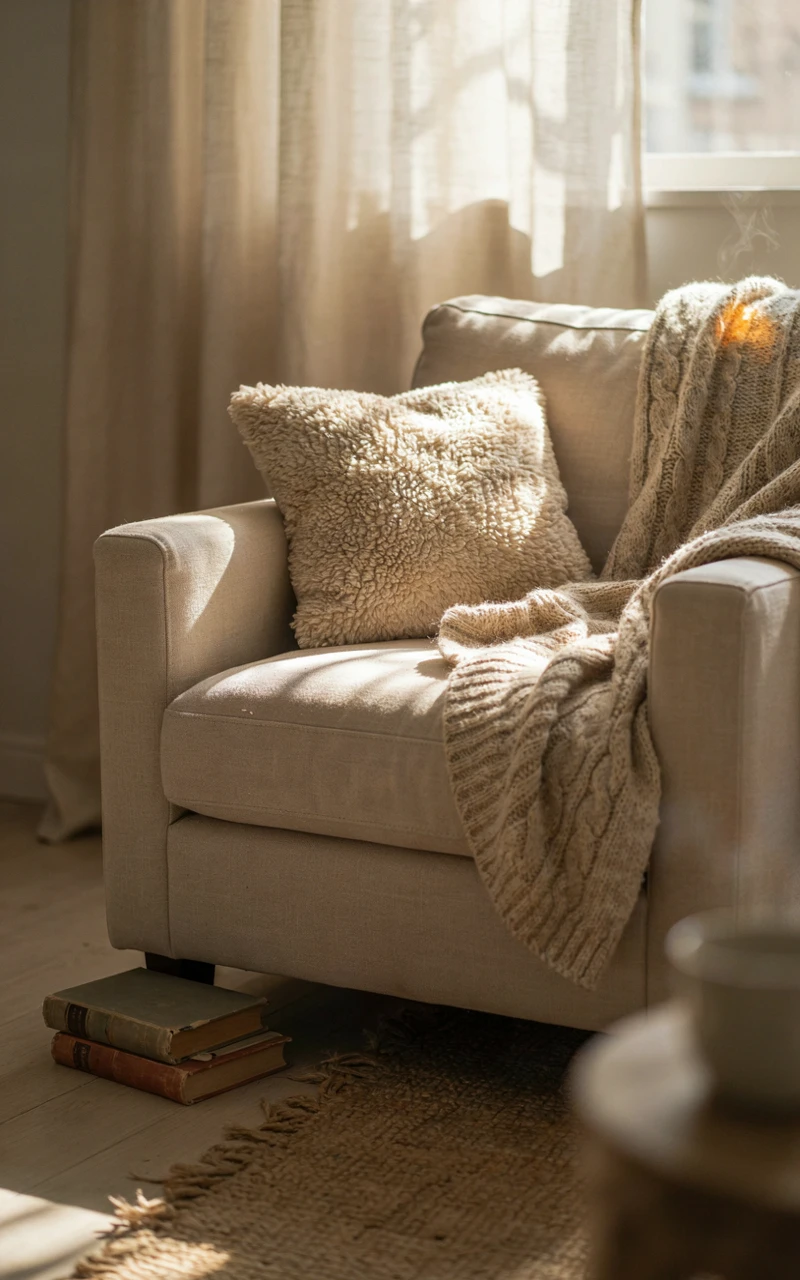
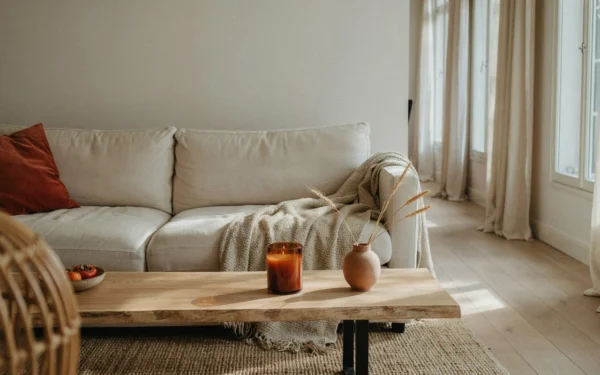
Now that you have a clean, empty canvas, it is time to start building warmth back into the room. In the absence of dozens of small decorations, texture becomes your primary design tool. The way a fabric catches the light or feels against your skin does more to make a room feel like autumn than any themed ornament ever could.
When we talk about adding texture, we are focusing on textiles that have visual weight. You want materials that look thick, soft, and inviting. Follow these steps to introduce seasonal fabrics into your space:
- Identify your base furniture: Look at your sofa, armchairs, and bed to determine where people naturally want to sit and get comfortable.
- Swap out your pillow covers: Remove the covers from 2 to 3 of your everyday throw pillows and replace them with rich, tactile fabrics like velvet or thick boucle.
- Drape a heavy blanket: Take 1 large, chunky knit or wool throw blanket and drape it casually over the arm of your sofa or the foot of your bed.
- Layer your floor rugs: If you have bare floors or a very thin summer rug, layer a smaller, thicker rug over the main traffic area to soften the floor.
To help you choose the right materials, here is a quick guide to the best fabrics for autumn decorating:
| Fabric Type | Visual Effect | Best Used For |
|---|---|---|
| Cotton Velvet | Catches light beautifully, looks rich and heavy. | Throw pillows, small accent chairs. |
| Chunky Wool | Adds massive texture and rustic charm. | Throw blankets, floor poufs. |
| Boucle | Provides a nubby, modern softness. | Lumbar pillows, ottoman covers. |
| Brushed Flannel | Feels instantly warm and nostalgic. | Bedding sheets, casual throws. |
By simply changing the covers on your existing pillows, you avoid the clutter of storing multiple bulky inserts throughout the year. This is a crucial secret for maintaining a minimalist home while still celebrating the seasons.
What it looks like before the next stage starts: Your seating areas look plush, soft, and inviting. The room still lacks seasonal color, but the heavy fabrics make you instantly want to curl up with a good book and a cup of tea.
4. Stage 3: Swap in Earthy, Autumnal Colors
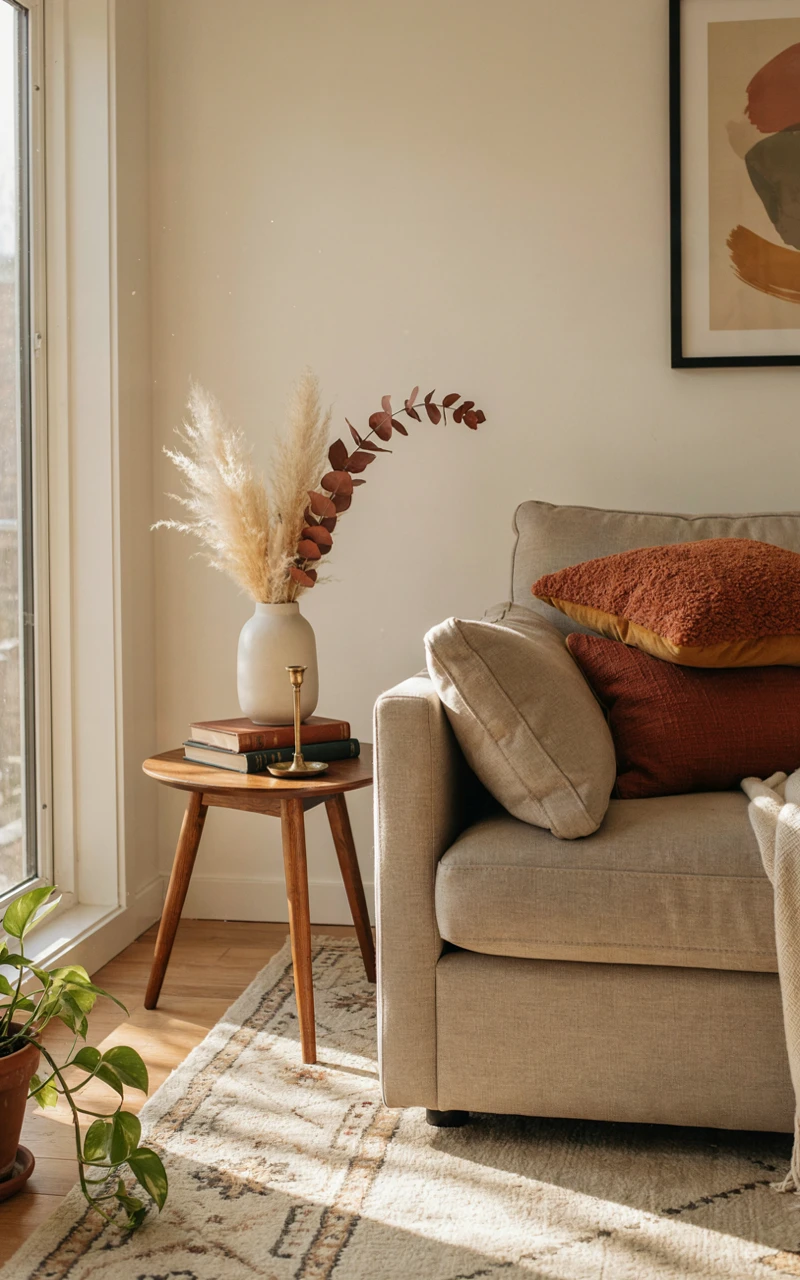
With your textures in place, you can now introduce the colors of the season. The trick to keeping your home looking sophisticated rather than like a Halloween party is to use nature-inspired, muted tones. Think of the colors you actually see in a forest in October: deep ochre, faded rust, olive green, and warm bark.
You do not need to paint your walls or buy new furniture to change the color palette of a room. Small, intentional color swaps make a massive difference. Follow these steps to ground your space in autumn hues:
- Choose a neutral foundation: Decide whether your room leans toward warm neutrals (cream, beige, brown) or cool neutrals (gray, bright white, black).
- Select two accent colors: Pick one or two deep earthy tones, such as terracotta and mustard, or plum and forest green, to be your seasonal stars.
- Swap out small textiles: Change out your everyday dish towels, cloth napkins, or bathroom hand towels for ones in your chosen accent colors.
- Update your artwork: If you have framed art, swap out one or two bright summer prints for inexpensive digital downloads of moody autumn landscapes or abstract warm tones.
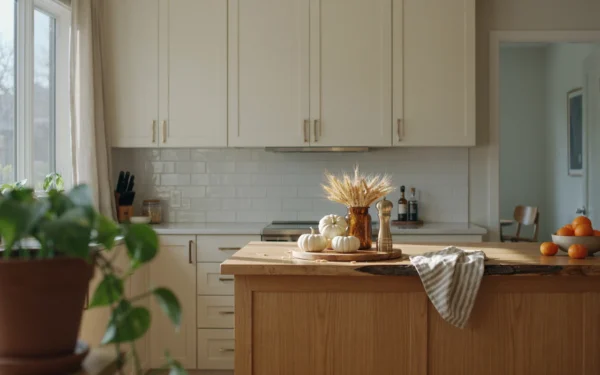
Incorporating these colors into practical items is a great way to decorate without adding clutter. For example, updating your functional items is a core principle in fall kitchen decor, where counter space is precious. A rust-colored linen towel hanging on the oven door adds festive charm without taking up any room.
When selecting your colors, remember the 60-30-10 rule used by interior designers. Your room should be 60 percent your main neutral color, 30 percent your secondary neutral, and only 10 percent your deep autumn accent colors. This ratio keeps the room feeling light and spacious while still delivering that seasonal punch.
What it looks like before the next stage starts: The room now features strategic pops of deep, earthy colors that tie the space together. The visual temperature of the room has shifted from cool and breezy to warm and grounded, yet all your flat surfaces remain delightfully clear.
5. Stage 4: Add Ambient, Cozy Lighting
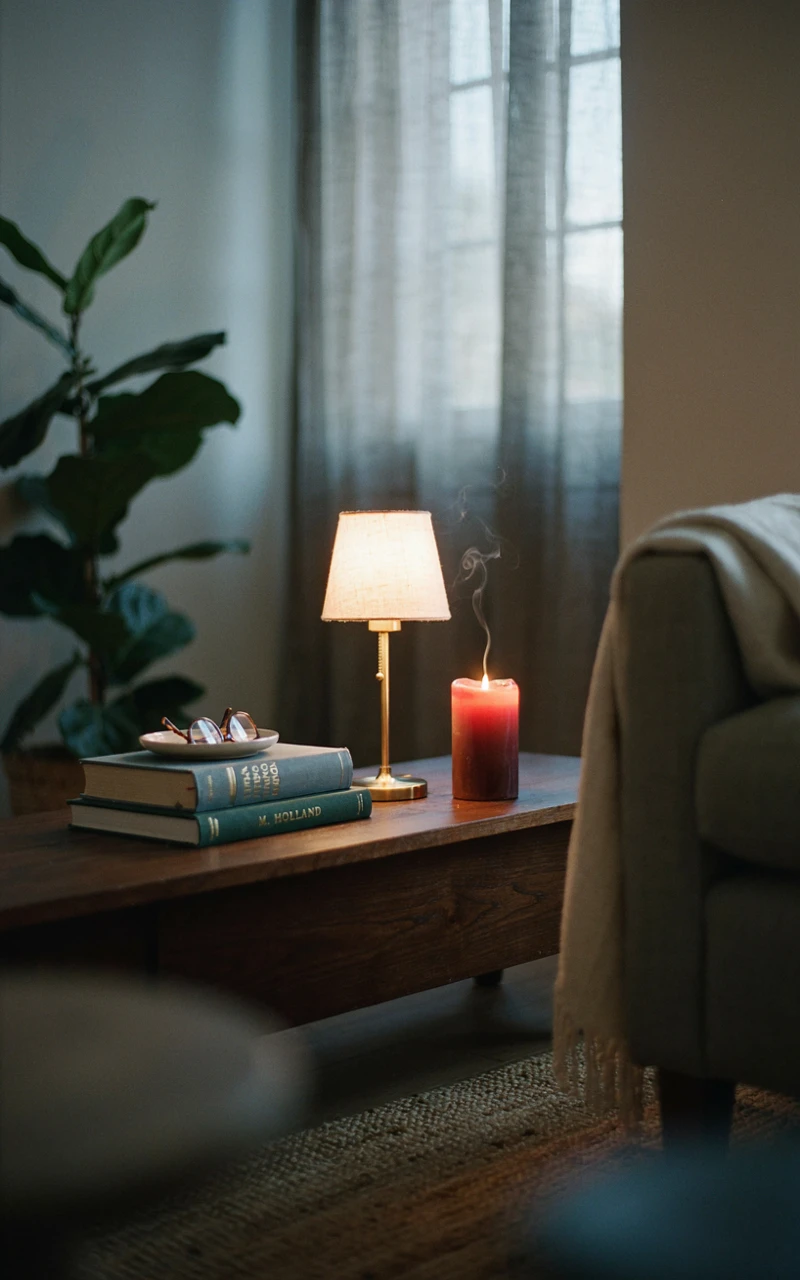
Lighting is arguably the most important element of cozy decorating. You can have the softest velvet pillows and the perfect rust-colored accents, but if your room is blasted with bright, blue-toned overhead lighting, it will feel like a waiting room. Autumn is all about shorter days and longer, darker evenings, and your lighting should reflect that shift.
The goal here is to create pools of warm light that draw people into the room and eliminate harsh shadows. According to research on light’s impact on sleep from the Sleep Foundation, warm, dim lighting in the evening helps signal to your brain that it is time to relax. Follow these steps to master your seasonal lighting:
- Turn off the overhead lights: Keep your main ceiling fixtures off during the evening hours for the rest of the season.
- Check your bulb temperatures: Inspect the bulbs in your table and floor lamps, replacing any cool or daylight bulbs (4000K or higher) with warm white bulbs rated at 2700K.
- Position small lamps strategically: Place 2 to 3 small accent lamps on side tables, bookshelves, or kitchen counters to create low-level pools of light.
- Introduce candlelight: Group 3 to 5 pillar candles (real or high-quality battery-operated ones) on a simple tray in the center of your coffee table or dining table.
If you are using real candles, stick to unscented ones for your lighting displays so they do not compete with the natural scents we will add in the final stage. The flickering movement of a flame adds a dynamic, living element to the room that instantly makes it feel cozier.
Do not underestimate the power of a small lamp in an unexpected place. A tiny brass lamp on a kitchen counter or a warm bulb on a bathroom vanity completely changes the mood of those functional spaces. It makes the mundane parts of your evening routine feel special.
What finished looks like before the next stage starts: When the sun goes down, your room glows with a soft, golden warmth. The harsh corners of the room fall into gentle shadow, and the illuminated areas highlight the rich textures and earthy colors you added in the previous stages.
6. Stage 5: Bring in Subtle Natural Elements
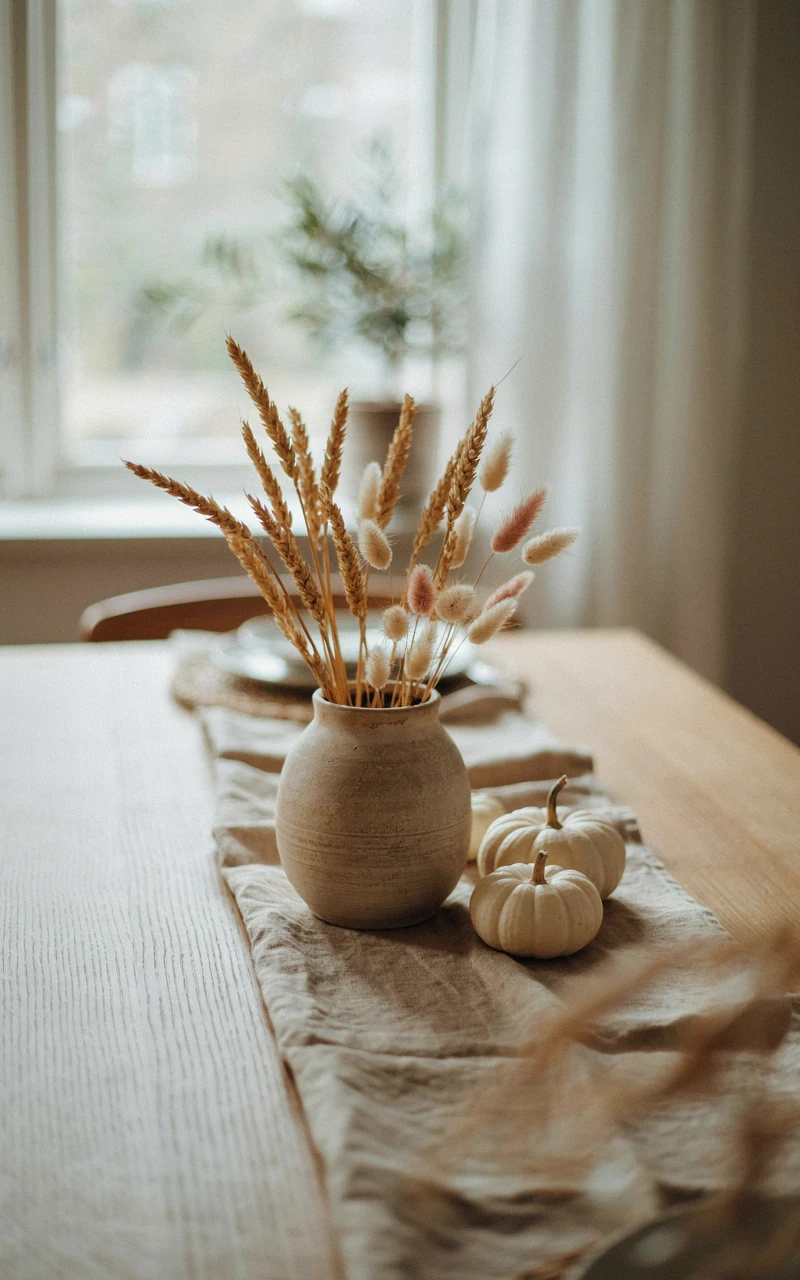
The most elegant way to celebrate autumn is to literally bring the outside in. Nature provides the best, most authentic decor, and it costs absolutely nothing. By using real branches, leaves, and produce, you avoid the artificial, plastic look that contributes to a cluttered feeling.
Natural elements have organic, irregular shapes that break up the straight lines of your furniture and add life to the room. Because they eventually dry out or get eaten, they are naturally clutter-free—they leave your home when the season is over. Follow these steps to incorporate nature into your space:
- Forage for branches: Go to your yard or a local wooded area and cut 3 to 5 tall branches featuring turning leaves, bare twigs, or dried acorns.
- Prep the stems: Trim the bottom of the branches at a 45-degree angle with sharp shears and remove any leaves that will sit below the water line.
- Arrange in a statement vase: Place the branches in your heavy ceramic or amber glass vase, letting them fan out naturally without forcing them into a tight bunch.
- Add seasonal produce: Place a simple wooden bowl filled with real seasonal fruit, like crisp apples, brown bosc pears, or a few miniature white pumpkins, on your dining table.
When you use real branches, scale is important. One massive, dramatic arrangement on a kitchen island or a console table is far more impactful than a dozen tiny vases scattered around the room. A single large arrangement acts as a focal point, drawing the eye without cluttering the space.
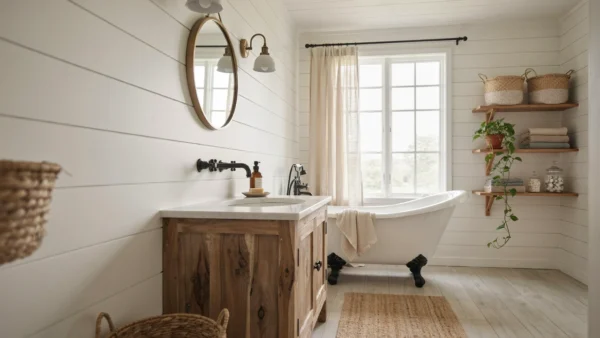
You can even bring these natural touches into your more private spaces. Adding a small sprig of dried eucalyptus or a tiny white pumpkin to a vanity is a wonderful trick found in many cozy farmhouse bathroom ideas. It makes the whole house feel connected to the season.
What it looks like before the next stage starts: Your home now features one or two striking, organic focal points. The tall branches draw the eye upward, making the room feel taller, and the bowl of real fruit adds a subtle, authentic nod to the autumn harvest.
7. Stage 6: Introduce Seasonal Scents
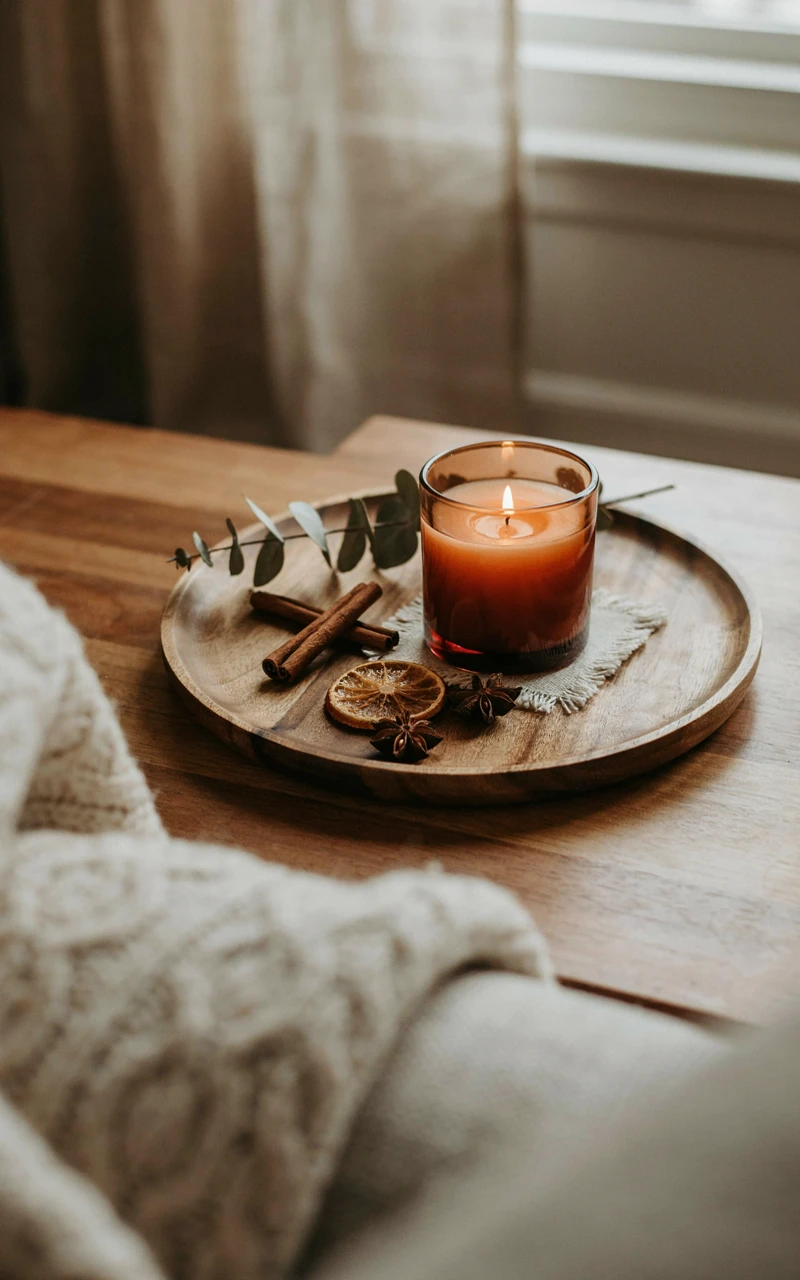
The final layer of a truly cozy home is entirely invisible. Scent is strongly tied to memory and emotion, and the right fragrance will make your home feel instantly welcoming. However, heavy, synthetic plug-ins or overwhelmingly sweet artificial candles can cause headaches and make a space feel stuffy.
To keep the air in your home feeling clean and breathable, rely on natural scent sources. A stovetop simmer pot is one of the oldest and most effective ways to gently fragrance a house. Follow these steps to create a signature autumn scent for your home:
- Choose your natural scent profile: Decide if you want your home to smell spicy (cinnamon and clove), woodsy (cedar and pine), or fresh (apple and citrus).
- Assemble a simmer pot: Fill a small saucepan with 4 cups of water and place it on your stove.
- Add your ingredients: Drop in 2 cinnamon sticks, 1 sliced orange, 1 tablespoon of whole cloves, and a sprig of fresh rosemary.
- Simmer on low: Bring the water to a gentle boil, then reduce the heat to the lowest setting, letting it simmer uncovered for up to 3 hours.
- Set up a diffuser alternative: If you cannot watch a stove, fill an ultrasonic diffuser with water and add 3 drops of cedarwood essential oil and 2 drops of sweet orange oil.
A simmer pot not only smells incredible, but it also adds a tiny bit of humidity back into the dry autumn air, which physically makes the room feel warmer and more comfortable. You can reuse the same simmer pot ingredients for two or three days by simply adding fresh water and storing the pot in the fridge overnight.
If you prefer using essential oils, stick to high-quality, pure oils rather than synthetic fragrance blends. Woodsy scents like fir needle, cedar, and sandalwood ground a space beautifully without being overly sweet. Keep the scent subtle; you want it to be a pleasant surprise when you walk through the front door, not a heavy cloud.
What finished looks like: Your home is now completely transformed. It smells like a crisp autumn afternoon, glows with warm light, features rich, inviting textures, and remains entirely free of unnecessary clutter.
Final Thoughts – Cozy Fall Home Decor
Looking around my living room now, I am always amazed by how much warmer and more inviting it feels without all the extra stuff. I no longer dread the end of the season, because packing away a few pillow covers and tossing out some dried branches takes minutes, not hours. The space feels intentional, deeply relaxing, and perfectly suited for chilly evenings.
You deserve a home that feels like a peaceful retreat from the busy world, especially as the days get shorter. By focusing on texture, light, and nature, you have created a beautiful environment that celebrates the season without sacrificing your sanity. I would love to hear which part of this process made the biggest difference in your space, so please share your favorite cozy updates with me!