
This post may contain affiliate links, which means I may receive a small commission should you decide to click that link and make a purchase. For more information please refer to the Terms & Conditions.
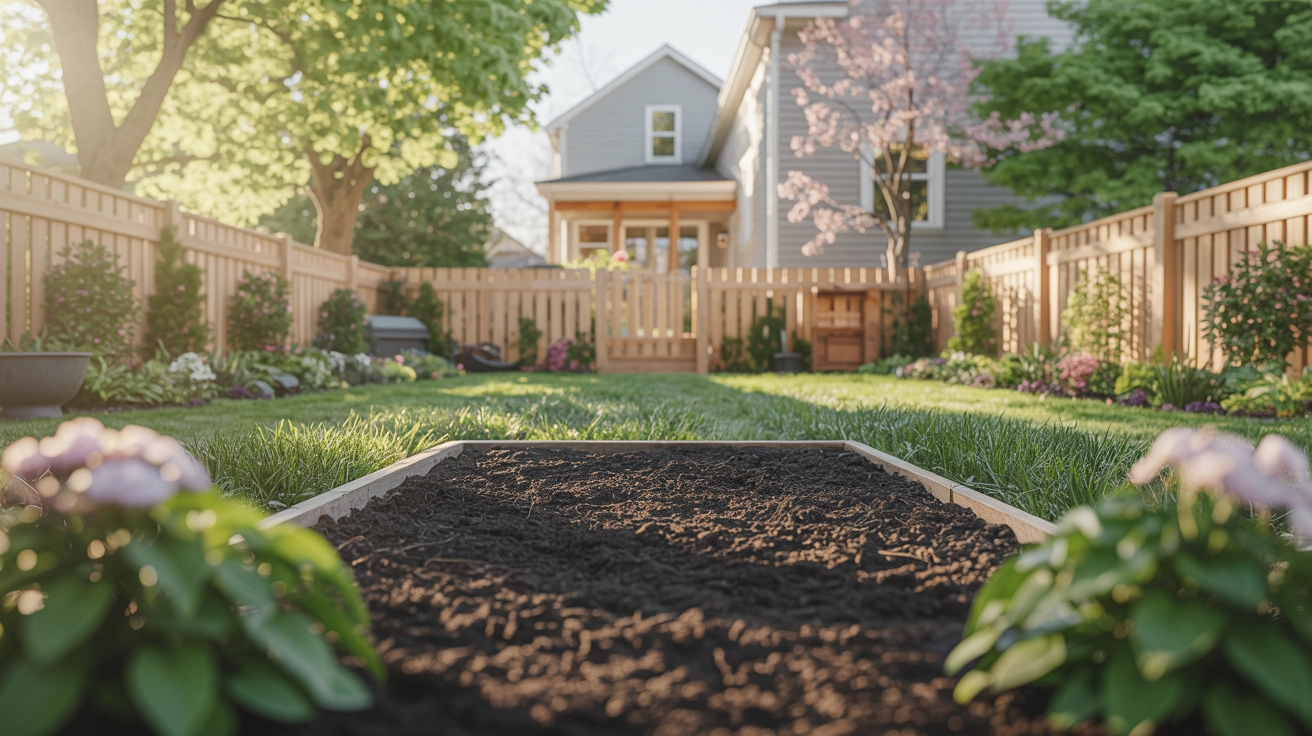
Spring is my absolute favorite time of year because everything feels new again. I remember the first time I tried to start a garden, I felt so overwhelmed by all the chores. I used to think I had to do everything in one weekend, but I quickly learned that taking it slow is much better.
I want to share exactly how I get my soil and beds ready without hurting my back. Preparing your space now means you will have more time to enjoy your flowers and veggies later. It is all about working smarter, not harder, so you can watch your garden thrive.
By following these simple steps, you can turn a messy yard into a beautiful oasis. You do not need fancy tools or a lot of money to get started. Just a little bit of planning and some fresh air will get your Spring Garden Preparation off to a perfect start.
Why You Should Start Your Spring Garden Preparation Early
Getting a head start on your garden is one of the best things you can do for your plants. When you clear away the winter debris early, you give the soil a chance to breathe and warm up. This helps seeds sprout faster and prevents pests from hiding in old leaves.
Early preparation also helps you spot any problems before they get too big to handle. You might find a broken fence or a leaky hose that needs fixing while the weather is still cool. Taking care of these small tasks now means you won’t be rushing when it is time to plant.
Most importantly, starting early is much better for your mental health and stress levels. You can do one small job each day instead of trying to finish everything at once. This makes gardening feel like a fun hobby rather than a difficult chore.
Clean Up the Debris and Old Growth
The first step in Spring Garden Preparation is to clear out anything that does not belong. Look for fallen branches, dead leaves, and old plants that did not survive the winter. Use a rake to gently pull these away so you can see the bare ground underneath.
Be careful not to step on the wet soil too much while you are cleaning up. Packing down the dirt makes it hard for air and water to reach your plants’ roots. If the ground is still very muddy, wait a few days for it to dry out a bit.
Check your perennial plants for any dead stems that need to be trimmed back. Cutting these away helps the plant focus its energy on growing new, green shoots. This simple task makes your garden look instantly neater and more organized.
Test and Improve Your Soil Health
Good soil is the secret ingredient for every successful garden you see. Before you add anything new, you should know what your dirt actually needs. You can buy a simple testing kit at a local store to check the nutrient levels.
Once you know what is missing, you can add compost or organic matter to the surface. Compost acts like a healthy snack for your plants, providing them with the energy they need to grow. Simply spread a layer about 5 cm thick over your planting beds.
You do not need to dig the compost deep into the ground with a shovel. The worms and tiny bugs in the soil will do that hard work for you over time. This “no-dig” method keeps the soil structure healthy and saves you a lot of heavy lifting.
Fix Your Garden Edges and Paths
Neat edges make a huge difference in how your garden looks to the neighbors. Use a sharp spade to cut a clean line between your grass and your flower beds. This keeps the grass from creeping into places where you want your vegetables to grow.
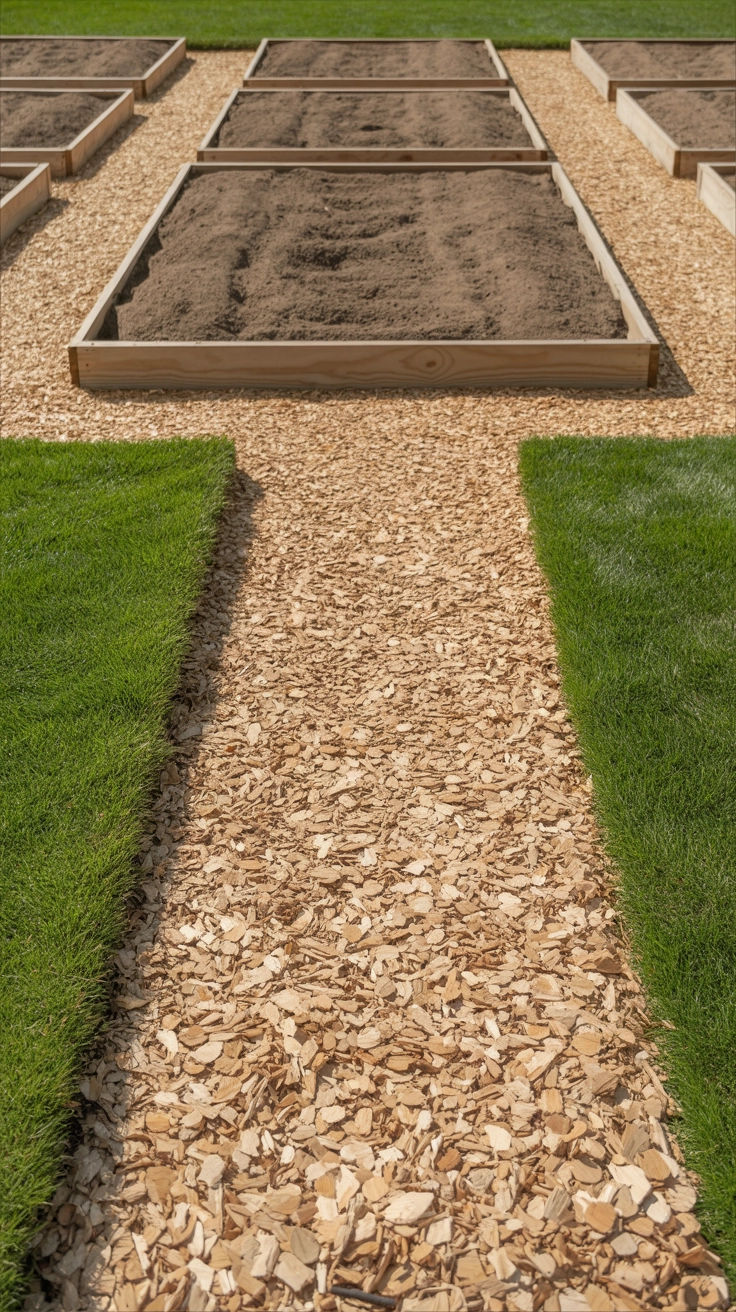
If you have paths made of gravel or wood chips, now is the time to top them up. Adding a fresh layer makes the whole garden look brand new and keeps weeds from growing. It also gives you a dry place to walk when you are watering your plants later.
Check any wooden borders or raised beds for signs of rot or damage from the snow. Replacing a broken board now is much easier than trying to fix it once the bed is full of plants. A sturdy frame will keep your soil in place all season long.
Sharpen and Clean Your Gardening Tools
You cannot do a great job if your tools are rusty or dull from last year. Take a few minutes to wash your shovels, rakes, and pruners with soapy water. Dry them thoroughly so they do not start to rust over the next few weeks.
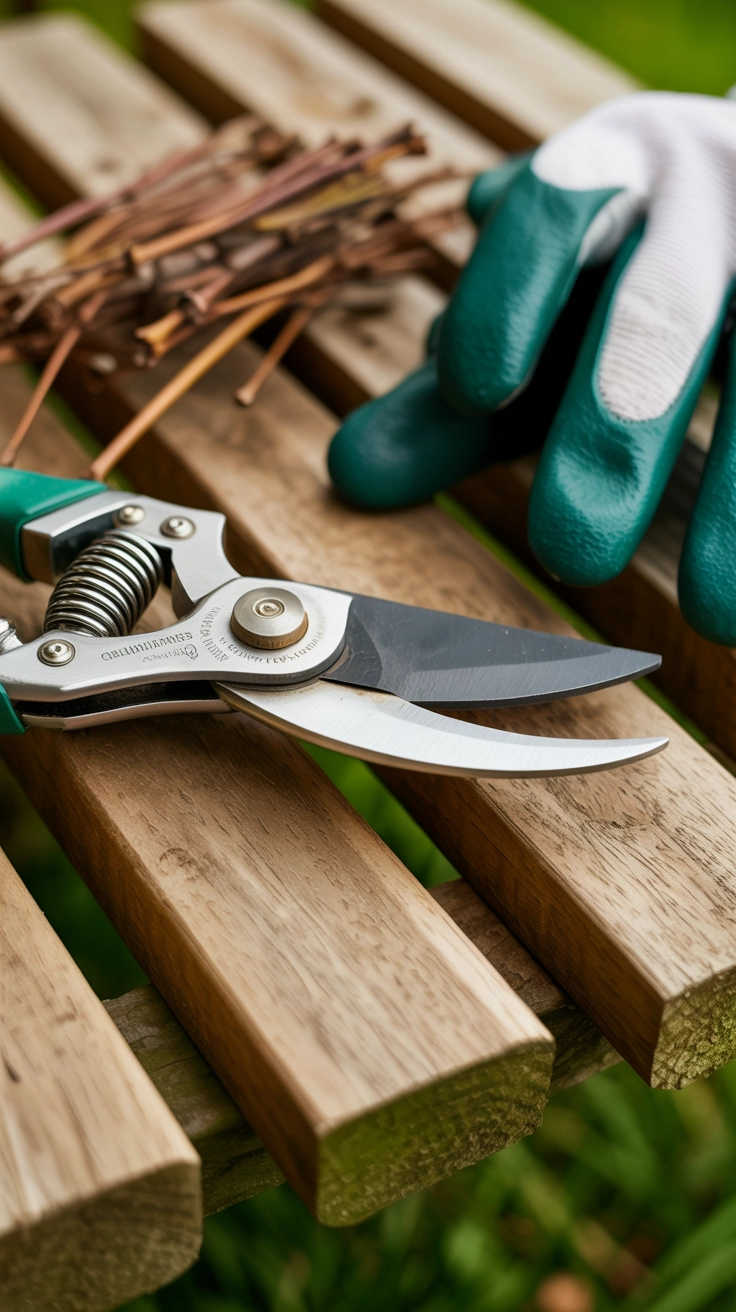
Sharpening your blades makes pruning much easier and is better for the health of your plants. A clean cut heals faster than a jagged one, which helps prevent plant diseases. You can use a simple sharpening stone or a file to get the edges back in shape.
Wipe down the wooden handles of your tools with a little bit of linseed oil. This prevents the wood from cracking and keeps it smooth, so you do not get any splinters. Keeping your tools in good shape means they will last for many years to come.
Plan Your Planting Schedule
It is very tempting to buy every pretty flower you see at the nursery right away. However, successful Spring Garden Preparation involves knowing exactly when to put things in the ground. Some plants love the cold, while others will die if there is even a tiny bit of frost.
Check the back of your seed packets to see how many weeks they need before the last frost. Create a simple calendar that shows you when to start seeds indoors and when to move them out. This keeps you organized and prevents you from losing your hard-earned money on frozen plants.
Grouping plants together that have similar needs will save you a lot of time later. Put all your thirsty plants in one spot and the ones that love dry soil in another. This makes watering much more efficient and helps every plant get exactly what it needs.
Install or Repair Irrigation Systems
Watering by hand can take a lot of time once the summer heat hits your yard. Spring is the perfect moment to set up a simple drip irrigation system or soaker hoses. These tools deliver water directly to the roots where the plants need it most.
Check your outdoor faucets and hoses for any leaks or cracks caused by freezing temperatures. Even a small drip can waste a lot of water and increase your monthly bills. Replacing a rubber washer is a very cheap fix that saves a lot of trouble later.
If you use rain barrels, make sure they are clean, and the screens are in good repair. Collecting rainwater is a great way to be kind to the planet and your wallet. Position your barrels under downspouts so you can catch every drop of the spring showers.
Prune Your Shrubs and Trees
Pruning is like giving your garden a fresh haircut to help it look its best. Focus on removing any branches that are broken, rubbing against each other, or looking sick. This opens up the center of the plant so more sunlight and air can get inside.
Be sure to research your specific plants before you start cutting away at the branches. Some shrubs bloom on old wood, meaning if you prune them now, you won’t get any flowers this year. Other plants actually prefer to be trimmed right before the new growth starts.
Always use sharp, clean shears to make sure you are not bruising the plant stems. Cut at a slight angle away from the buds so that rainwater runs off instead of sitting on the cut. This small detail helps the plant stay healthy and free from rot.
Manage Weeds Before They Take Over
Weeds are much easier to pull when they are small, and the ground is still soft. If you get them now, you can stop them from dropping thousands of seeds in your garden. Spend just ten minutes a day pulling any green shoots that you did not plant yourself.
Mulching is your best friend when it comes to keeping weeds away for the whole season. Spread a thick layer of straw, wood chips, or shredded leaves over your bare soil. This blocks the sunlight that weed seeds need to wake up and start growing.
Mulch also helps keep the moisture in the ground, so you do not have to water as often. As the mulch breaks down, it adds even more organic matter back into your dirt. It is a simple step that provides many different benefits for your growing garden.
Set Up Support for Growing Plants
Climbing plants like peas, beans, and certain flowers need a little help to stay upright. Setting up your stakes, trellises, or cages now is much easier than doing it later. You won’t have to worry about accidentally stepping on your baby plants while you work.
Make sure your supports are pushed deep enough into the ground so they do not blow over. Strong spring winds can easily knock down a flimsy trellis if it is not secured properly. Use soft twine or garden clips to gently guide your plants as they begin to grow.
If you are growing heavy vegetables like tomatoes, choose sturdy cages that can handle the weight. Planning for the size of the full-grown plant will save you from a messy garden later. It keeps your fruits off the ground, where they stay cleaner and safer from bugs.
Prepare Your Container Gardens
Not everyone has a big backyard, and containers are a wonderful way to grow food and flowers. Empty your old pots and scrub them with a mixture of water and a little vinegar. This kills any lingering bacteria or fungus that might hurt your new plants.
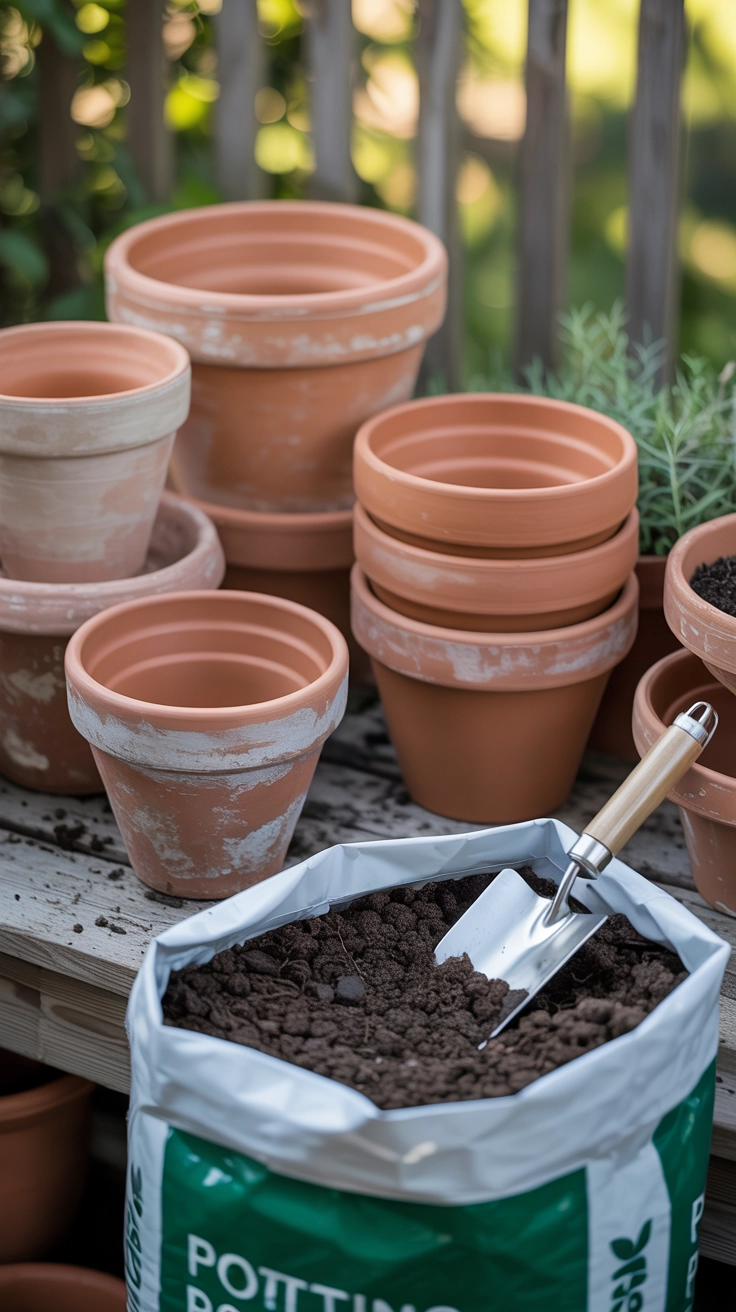
Always use fresh potting soil for your containers instead of reusing the old dirt from last year. Old soil loses its nutrients and can become very compacted, which makes it hard for roots to grow. Fresh soil gives your container plants the very best start possible.
Check the drainage holes in the bottom of your pots to make sure they are not clogged. If water cannot get out, the roots will sit in puddles and eventually rot away. Adding a few small stones at the bottom can help the water flow out more easily.
Divide Overcrowded Perennials
If some of your plants are getting too big for their space, you can actually turn one plant into two. This is a great way to fill up your garden for free or share with your friends. Gently dig up the plant and use a spade to split the root ball into sections.
Replant the sections immediately and give them plenty of water to help them settle in. Spring is the perfect time for this because the plants are still waking up and can handle the move well. You will be amazed at how quickly they bounce back and start growing again.
Dividing your plants every few years keeps them healthy and prevents them from getting “bald” spots in the middle. It also gives you a chance to move things around if you want a new look for your yard. Your garden will look fuller and more balanced as a result.
Create a Composting Area
If you do not have a compost pile yet, this is the perfect time to start one in a corner. Composting turns your kitchen scraps and yard waste into “black gold” for your garden. It is a wonderful way to reduce trash and feed your plants at the same time.
You can use a simple bin made of wood pallets or just a tidy pile in a hidden spot. Add a mix of “green” items like grass clippings and “brown” items like dried leaves. Over time, these will break down into a rich, dark soil that plants absolutely love.
Turn your pile once a week with a pitchfork to get some air into the middle of the heap. This speeds up the process and keeps the pile from smelling bad. Before you know it, you will have your own supply of free fertilizer for your garden.
Clean Your Bird Feeders and Baths
Gardening is about more than just plants; it is about creating a home for local wildlife. Clean out your bird feeders with hot water to keep your feathered friends healthy and happy. Birds are great helpers because they eat many of the bugs that like to snack on your veggies.
Refill your bird bath with fresh water and give it a good scrub to remove any green algae. Having a clean water source will attract many different types of birds to your yard. It is a joy to watch them splash around while you are working on your garden beds.
Consider planting some flowers that attract bees, butterflies, and other helpful pollinators. These tiny workers are essential for growing fruits and vegetables in your garden. A garden full of life is much more resilient and fun to spend time in.
Inventory Your Seeds and Supplies
Before you head to the store, take a look at what you already have in your garage or shed. Check the dates on your old seed packets to see if they are still good for planting. You might find that you have plenty of lettuce or marigold seeds left over from last year.
Make a list of the things you actually need, like fresh labels, twine, or a new pair of gloves. This helps you stay on budget and prevents you from buying duplicates of things you already own. Being organized makes the whole gardening process feel much smoother and more enjoyable.
Store your seeds in a cool, dry place to keep them fresh until you are ready to use them. A simple plastic bin or a shoebox works perfectly for keeping your packets organized. Knowing exactly what you have makes it much easier to plan your garden layout.
Check Your Outdoor Lighting
As the days get longer, you might find yourself staying outside in the garden later into the evening. Check your solar lights or outdoor lamps to make sure they are still working after the winter. Wipe the solar panels with a damp cloth so they can soak up as much sun as possible.
Good lighting makes your garden safer to walk through and allows you to enjoy the view at night. It adds a magical feel to your outdoor space and highlights your favorite plants. If a light is broken, replacing the battery or the bulb is usually a very quick fix.
You can also use lights to mark the edges of your paths or highlight a beautiful tree. This makes your garden feel like an extra room of your house where you can relax. It is the perfect finishing touch to all of your hard work during the spring.
Protect Early Sprouts from Frost
Even though it is spring, Mother Nature can still surprise you with a very cold night. Keep some old blankets, burlap, or plastic covers nearby just in case a frost is predicted. Covering your tender young plants can save them from being damaged by the ice.
Remove the covers in the morning as soon as the sun comes out and the air warms up. You do not want your plants to get too hot or be crushed under the weight of the blankets. A little bit of extra care during these weeks ensures your garden survives the transition.
You can also use clear plastic jugs with the bottoms cut off to create mini greenhouses. These “cloches” protect individual plants while still letting the sunlight reach their leaves. It is a great way to recycle and keep your garden safe at the same time.
Take Photos and Keep a Garden Journal
It is so easy to forget where you planted things once they start growing big and green. Take a few photos of your garden beds while they are still mostly bare soil. This helps you remember exactly where your perennial roots are, so you do not dig them up by mistake.
Start a simple garden journal where you write down the dates you planted your seeds. You can also note which plants did well and which ones struggled in your specific soil. This information is incredibly valuable when you start planning your garden next year.
Gardening is a journey, and looking back at your progress is a wonderful way to stay motivated. Even if things do not go perfectly, you are learning something new every single day. Celebrate your small wins and enjoy every moment of your Spring Garden Preparation.
| Task Category | Action Item | Time Needed |
| Clean Up | Remove leaves and debris | 1-2 Hours |
| Soil | Add 5 cm of compost | 1 Hour |
| Tools | Sharpen and clean | 30 Minutes |
| Weeding | Pull small weeds and mulch | 1 Hour |
| Planning | Create a planting calendar | 30 Minutes |
Key Takeaways for Success
- Start Small: Do not try to finish every task in a single afternoon.
- Feed the Soil: Compost is the best thing you can give to your growing plants.
- Stay Sharp: Clean tools make gardening much easier and safer for the plants.
- Be Patient: Wait for the soil to dry out before you start digging or walking on it.
- Observe: Spend time in your garden just looking and learning what it needs.
Spring Garden Preparation is all about getting ready for the beautiful growth that is coming. I hope these tips help you feel excited and ready to get your hands in the dirt. You are going to do a great job, and I cannot wait for you to see the results.
I truly believe that anyone can have a green thumb if they just take it one step at a time. Your garden is a reflection of your care, and it will reward you with beauty and food all season long. Go grab your gloves and enjoy the fresh air as you start your best garden yet.
