
This post may contain affiliate links, which means I may receive a small commission should you decide to click that link and make a purchase. For more information please refer to the Terms & Conditions.
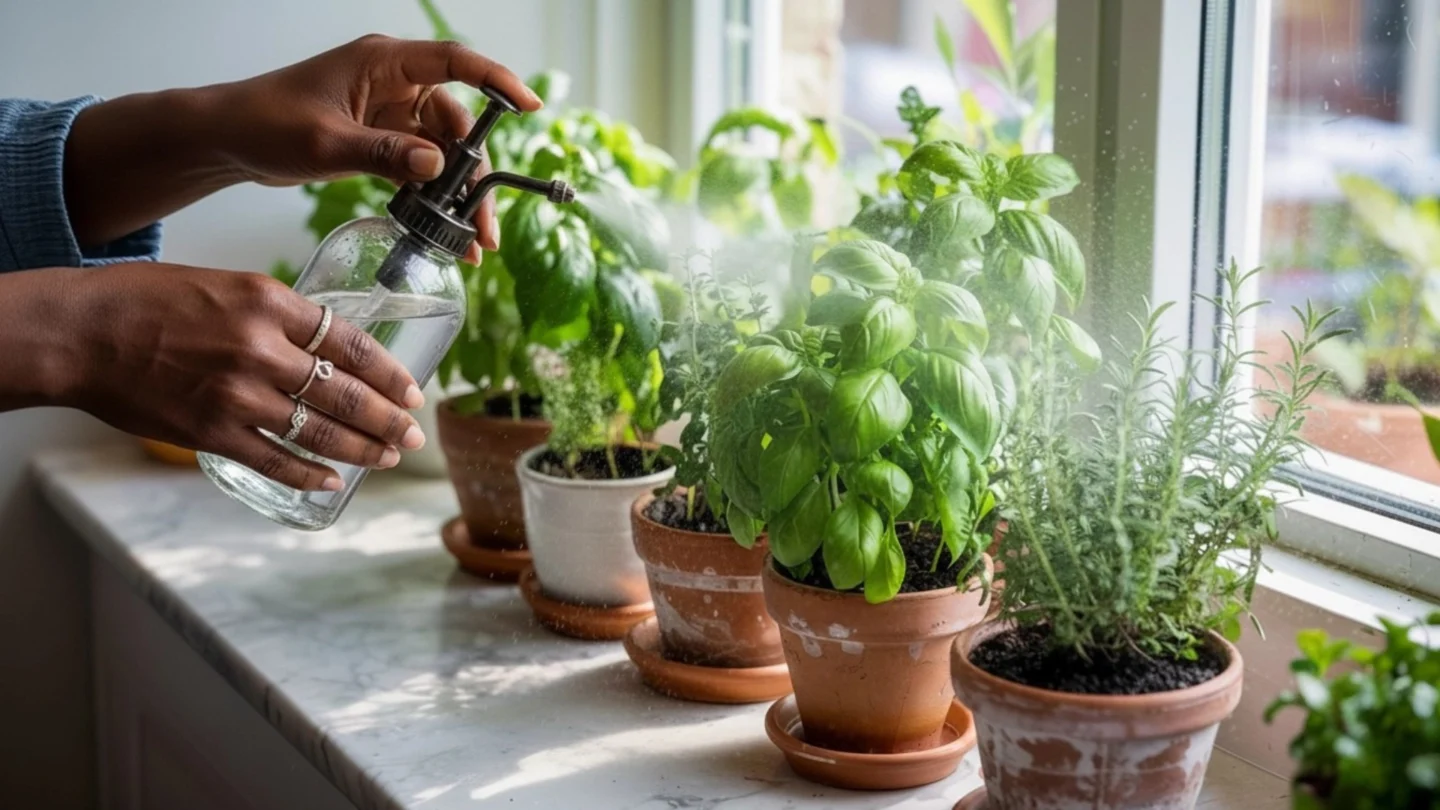
Starting my own indoor herb garden was one of the best decisions I ever made for my kitchen. I used to feel so guilty every time I bought those plastic containers of fresh herbs from the store. Half of the cilantro would always turn to mush before I could even use it.
I finally decided to grow my own right on my windowsill, and it changed everything. It is so rewarding to snip off a few leaves of fresh basil while I am cooking dinner. I want to show you how easy it is to bring that same greenery and flavor into your home.
Why You Will Love Growing Herbs Indoors
You do not need a big backyard or even a balcony to be a gardener. Indoor herb gardens are perfect because you can grow them all year round. You will save a lot of money on your grocery bill over time.
Plus, having live plants in your house makes the air feel fresher and look much prettier. The best part is the taste of an herb that was picked just seconds ago. It makes every meal feel special.
Picking the Best Spot for Your Plants
Most herbs are like tiny sunbathers and need a lot of light to grow strong. You should look for a window that faces south if you live in the northern hemisphere. This spot usually gets the most consistent sunlight throughout the day.
If your kitchen is a bit dark, do not worry about it at all. You can always use a small LED grow light to give your plants the boost they need. Modern grow lights are very affordable and fit right on your counter.
Choosing the Right Pots and Soil
It is very tempting to pick a pot just because it looks cute on your counter. However, the most important thing is that the pot has holes in the bottom for drainage. Herbs do not like to sit in soggy soil because their roots can start to rot.
You should use a high-quality potting mix instead of dirt from your backyard. Potting mix is light and airy, which helps the roots breathe and grow quickly. It also helps hold just the right amount of moisture.
Top Five Easy Herbs for Beginners

Some herbs are much heartier than others when you are just starting out. I recommend beginning with these five because they are very forgiving. They also happen to be the ones you will use most in your recipes.
Fresh Basil
Basil thrives in warm temperatures and abundant bright light. It grows very fast, so you will have plenty of leaves for pesto or caprese salad. Just make sure to keep it away from cold drafts.
Bright Mint
Mint is incredibly hardy and grows like a weed if allowed to. Always grow mint in its own separate pot so it does not take over your other plants. It is perfect for tea or refreshing summer water.
Woody Rosemary
Rosemary smells amazing and does not need to be watered as often as other herbs. It feels like a tiny evergreen tree sitting in your kitchen. It is a very tough plant that can handle a little forgetfulness.
Versatile Chives
Chives are great because they can handle slightly cooler temperatures. They add a wonderful, mild onion flavor to eggs and baked potatoes. They grow back quickly after you trim them.
Classic Parsley
Parsley is very patient and can grow even if it does not get perfect sunlight. It is a staple for almost every savory dish you can imagine. It adds a beautiful pop of green to your plate.
How to Water Your Herbs Properly
The biggest mistake new gardeners make is watering their plants too much. You should always touch the soil before you reach for the watering can. If the top inch of soil feels dry, it is time to give them a drink.
Pour the water slowly until you see a little bit coming out of the holes at the bottom. This ensures the water is reaching the very bottom of the roots. Be sure to empty the saucer afterward so the plant doesn’t sit in water.
Feeding and Pruning for Better Growth
Your plants need food to stay healthy, just like you do. You can use a liquid organic fertilizer about once a month during the spring and summer. This keeps the leaves green and the flavors strong.
Pruning is also a secret trick to make your plants grow bushier. If you pinch off the tops of the stems, the plant will grow two new stems in its place. This prevents them from getting too tall and spindly.
Common Mistakes to Avoid
Many people forget to rotate their pots every few days. If you do not rotate them, the plants will lean toward the window and become lopsided. A simple quarter-turn every few days keeps them growing straight.
Another common issue is poor air circulation around the pots. Try not to crowd your plants too closely together on the windowsill. Giving them a little space helps prevent bugs and mold from moving in.
Harvesting Your Homegrown Flavor
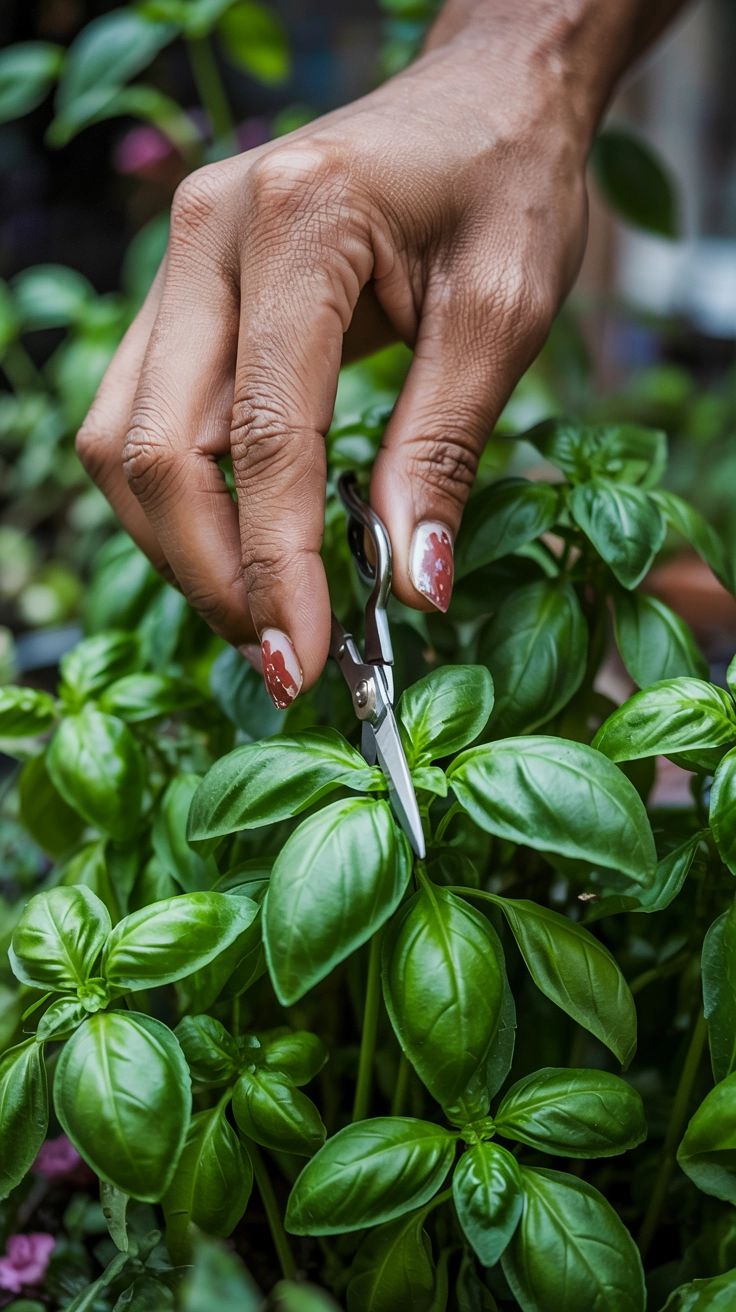
The best time to harvest your herbs is right before you are ready to eat. Use a sharp pair of scissors to make clean cuts rather than pulling on the stems. This keeps the plant healthy and encourages it to keep producing more leaves.
I love seeing my plants thrive while I enjoy a fresh meal. You are going to feel so proud of yourself when you see those first green sprouts. It really is a small joy that makes a big difference in your day.
Essential Tools and Preparation
| Tool | Purpose |
| Potting Mix | Provides nutrients and drainage |
| Drainage Saucer | Protects your counters from water |
| Small Watering Can | Allows for precise watering |
| Herb Scissors | For clean harvesting and pruning |
| Plant Labels | To remember which herb is which |
Final Thoughts
I hope you feel ready to start your own little indoor oasis today. Gardening is a journey of learning, and it is okay if a plant dies once in a while. Each time you try, you learn a little bit more about what your plants need.
Just keep trying, and soon you will have a thumb as green as your basil. I cannot wait to hear about the delicious meals you create with your own harvest. It is such a rewarding hobby that pays off every time you sit down to eat.
